

The fall of Andrew Farago, longtime curator of San Francisco’s Cartoon Art Museum, began in a place most people see as private. For more than 20 years, Farago stood as a public face for the museum and a known voice in comic history. That image shattered this month after his arrest in Berkeley on serious allegations that point to a massive breach of trust and invasion of privacy.
Police say Farago secretly recorded guests in a bathroom during a private birthday party at his South Berkeley home on May 23, 2026. A woman at the party found a cellphone hidden under a towel. According to court records, the device was recording and positioned to capture people using the lavatory, presumably exposing their genitalia.
Authorities say Farago confessed to placing the hidden phone camera when confronted, but told guests he deleted the files from the phone and from cloud storage. He later sent a written apology to attendees, saying he spied on friends and would face the consequences. Legal experts note that deleting files does not end a digital trail. Modern forensic tools can recover deleted data, cached media, and system records from phones and computers. The seizure of multiple devices suggests investigators are looking for patterns, not just a single incident.
Berkeley police obtained a warrant and arrested Farago on June 3, 2026. Investigators seized twelve electronic devices from his home. The district attorney has not finalized charges, but the case includes 20 counts of invasion of privacy tied to the alleged recordings.

The Cartoon Art Museum moved fast after news of the arrest became public. The institution fired Farago, ending a tenure that began as a volunteer role in 2000. He became a paid staffer in 2001 and curator by 2005. During that time, he organized more than 100 exhibitions and built close ties with artists and fans.

The case has stirred debate across the comic industry. For years, the industry has promoted a culture that claims to be inclusive and safe. Critics now argue that gatekeepers like Farago, and a culture of protecting fellow progressives, can also hide risk, especially when one person holds influence over access, exposure, and career paths. Farago’s public image adds fuel to that debate. Some creators and fans point to his past statements on progressive social issues and say his private conduct, as alleged, doesn’t match that image. The wide gap between his public advocacy and personal behavior should not go unchecked.

The industry has also been uncharacteristically slow to address the arrest in clear terms. The insiders seem to be acting to protect one of their own while being quick to shut out creators who fall outside mainstream views. That claim is difficult to measure, but it is gaining traction in online discussions tied to the case. In the end, the outcome may depend on what those devices show. If analysts find older recordings or evidence involving minors, the case could expand beyond the current counts and carry far more serious penalties under state law.


The museum now faces its own review. Leaders will need to examine past programs, off-site events, and youth activities that took place under Farago’s watch. A swift firing addressed the bad optics, but it doesn’t answer questions about oversight and safeguards. Did they overlook red flags because they agreed with his political leanings?
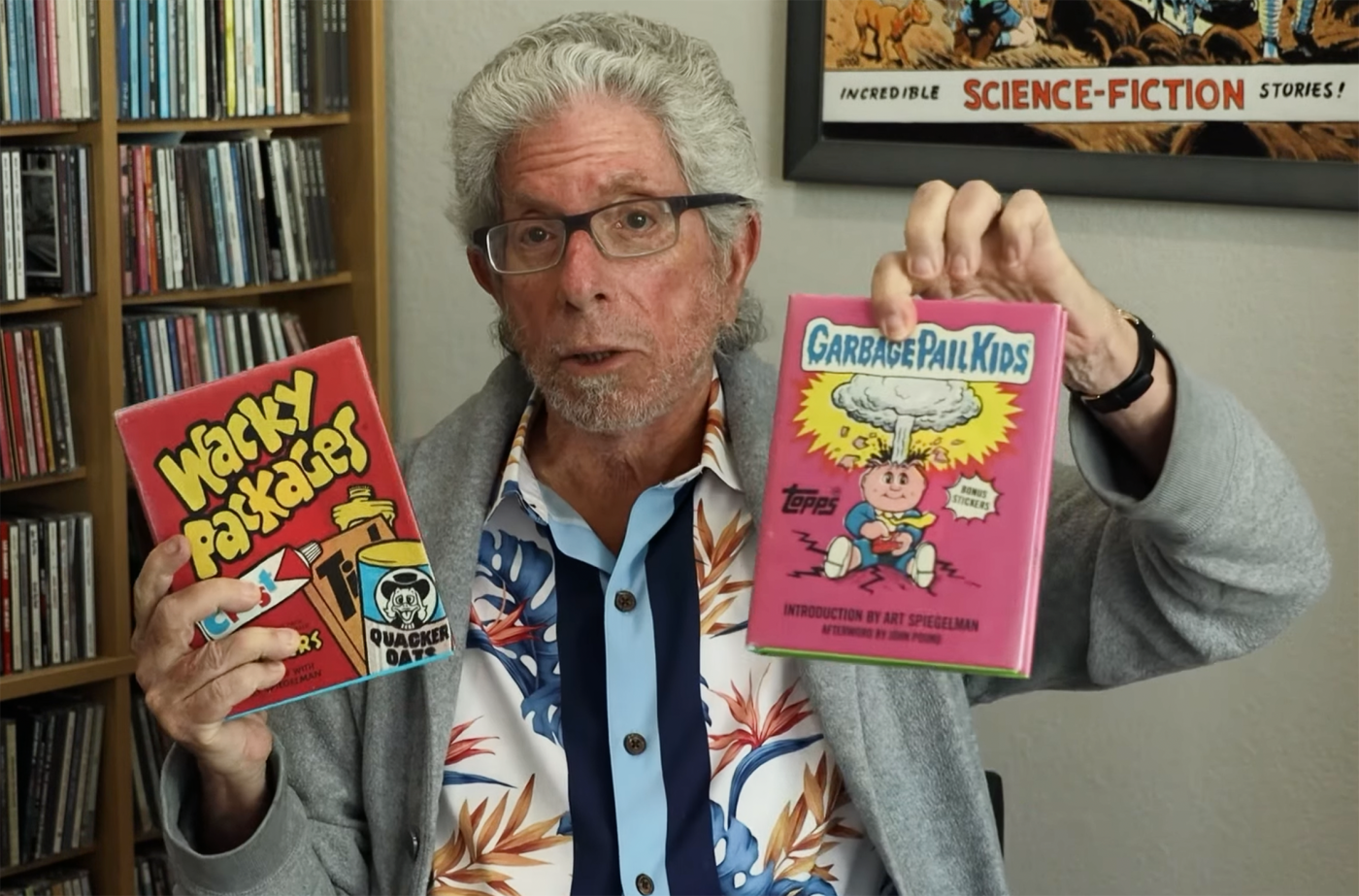
Comic Book Pros WON'T Talk About CREEP Andrew Farago...
Small arts groups often run on trust and personal ties. This case shows the limits of that model. Clear rules, background checks, and outside oversight can reduce risk, even in close-knit communities. According to Berkeley Public Information Officer Byron White, the case remains under investigation and is ongoing.
***








 English (US) ·