
Reviews Frank M. Young | September 8, 2026 Harold Foster’s Tarzan (and Prince Valiant) are and aren’t comics. They’re sequential narratives told in words and images, but the symbiosis of the speech balloon doesn’t exist in the artist’s world. I’d call them 75% comics, and at their best (Prince Valiant in the 1950s) the work achieves an intelligence unique to American newspaper comics. Foster uses the omniscient narrator to tell a story and to comment on the assets and shortcomings of his characters. Val is often teased, by Foster the narrator, for his egotism, arrogance, hubris and denseness — surprising callouts for an iconic comics hero. Prince Valiant was Foster’s reward for toiling in the fields of Tarzan, which he illustrated for United Features Syndicate as a Sunday comics page starting in September 1931. The Edgar Rice Burroughs source material is a byproduct of colonial racism and appropriation. It’s full of red flags for 21st-century readers — especially younger audiences who didn’t experience first-hand the onus of 20th-century collateral damage. Racism and sexism are hard-wired into much of 20th-century popular culture; as our shared tolerance of these as norms fades awa...
Related

Anh In Time Out
6 hours ago
5

Daredevil by Tim Sale (2006)
7 hours ago
6

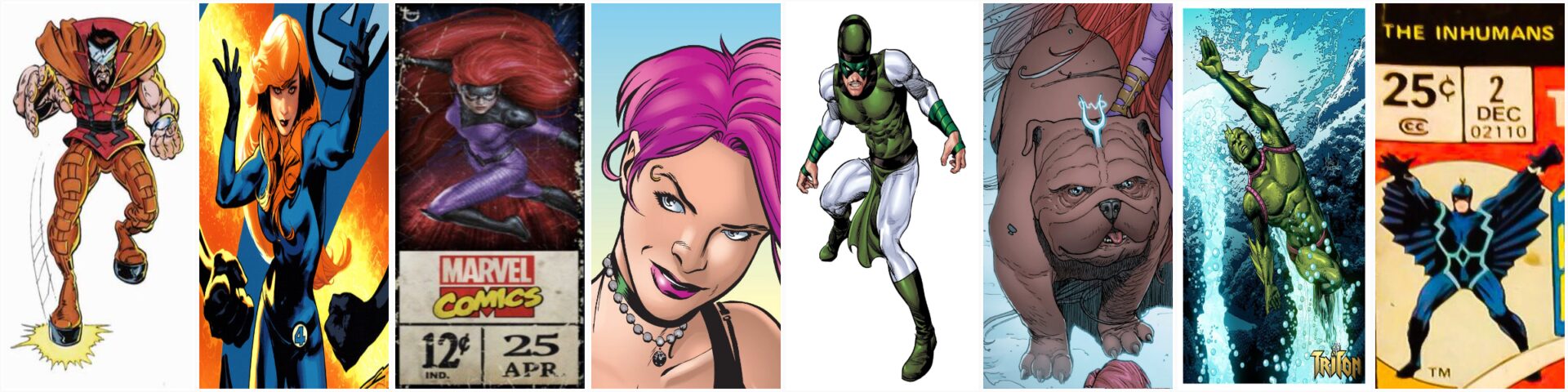
Crystal by Bruce Timm
11 hours ago
5
Popular
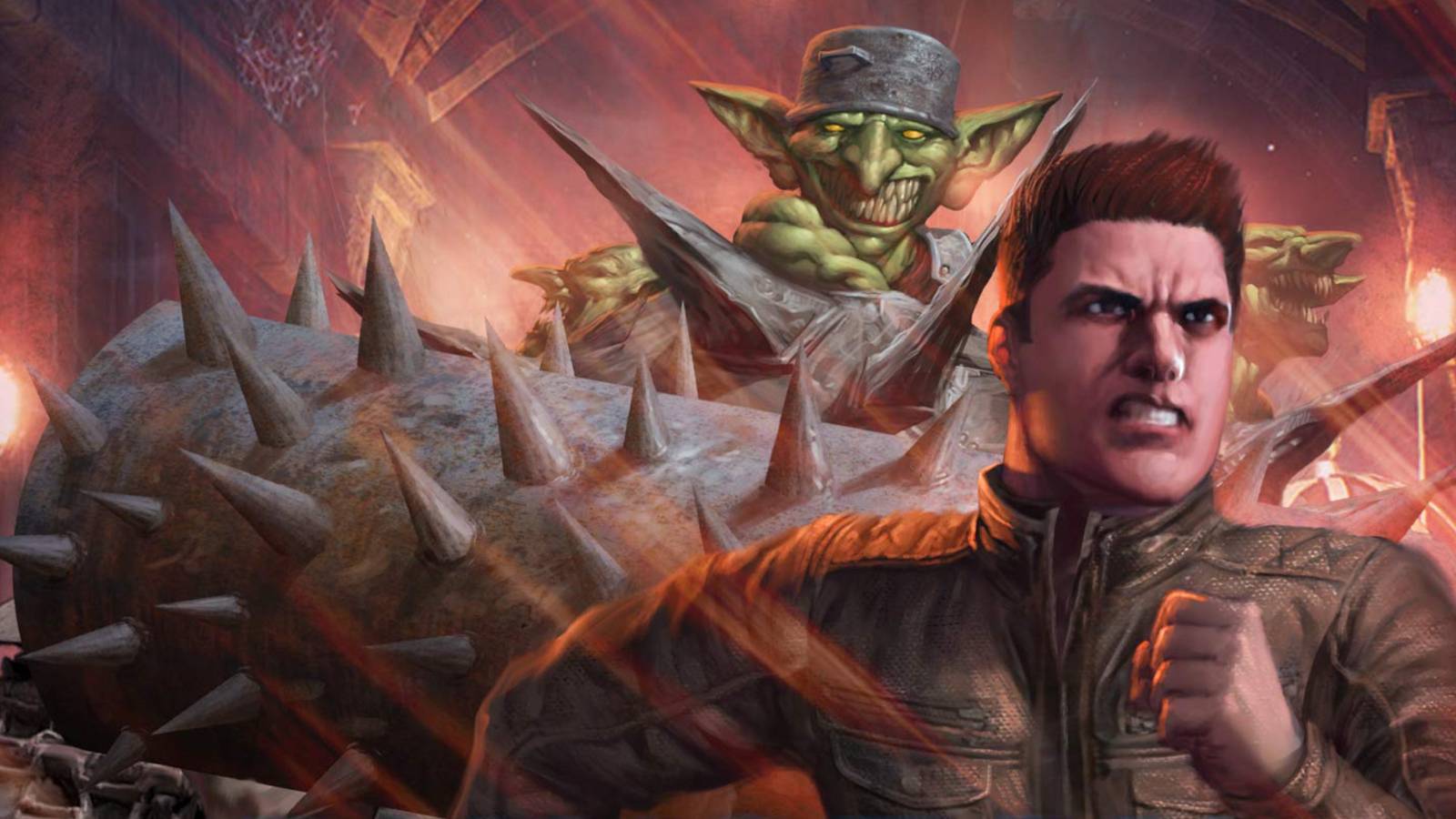
Dungeon Crawler Carl Announces Free Limited-Edition Release
2 weeks ago
123
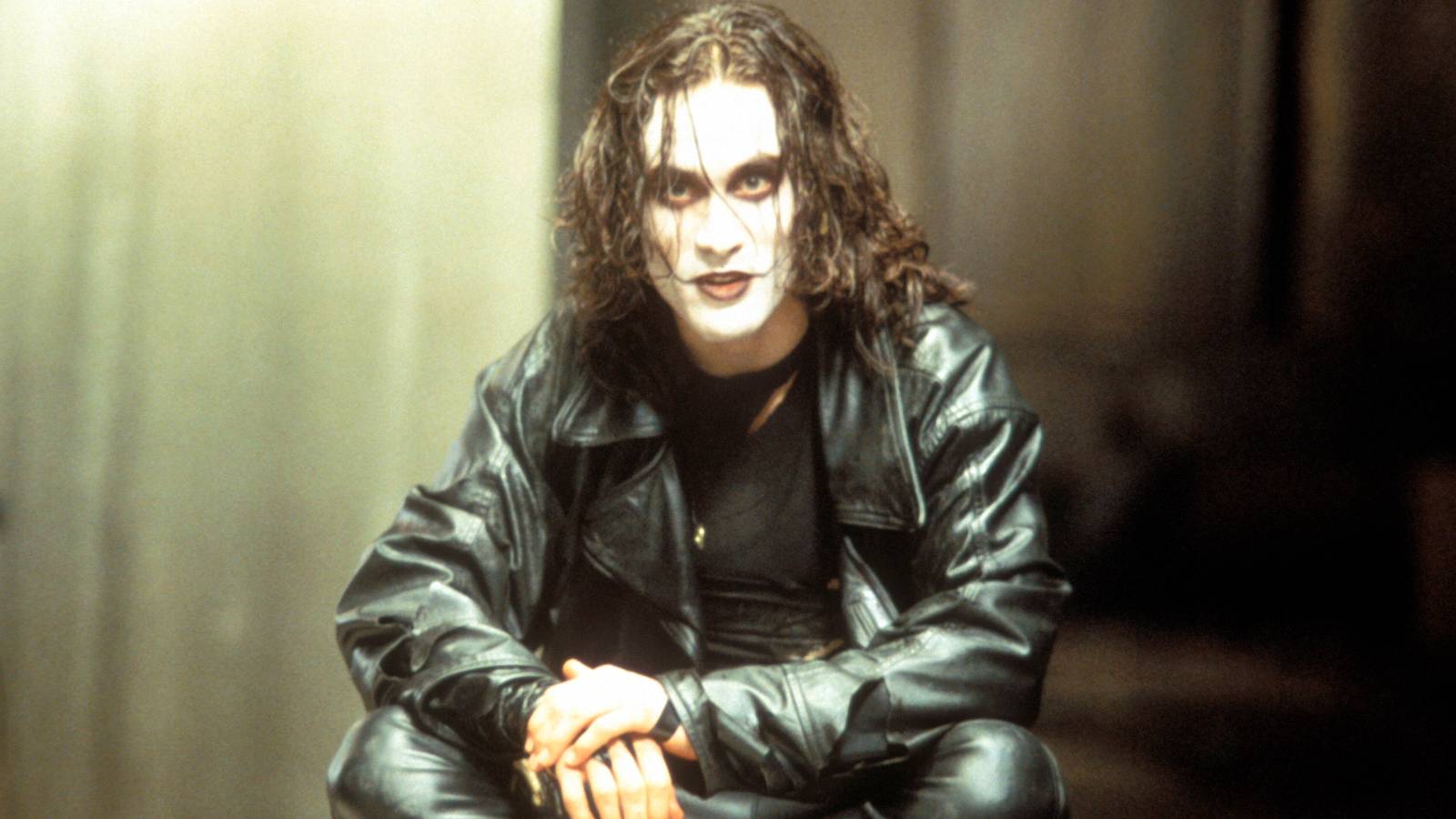
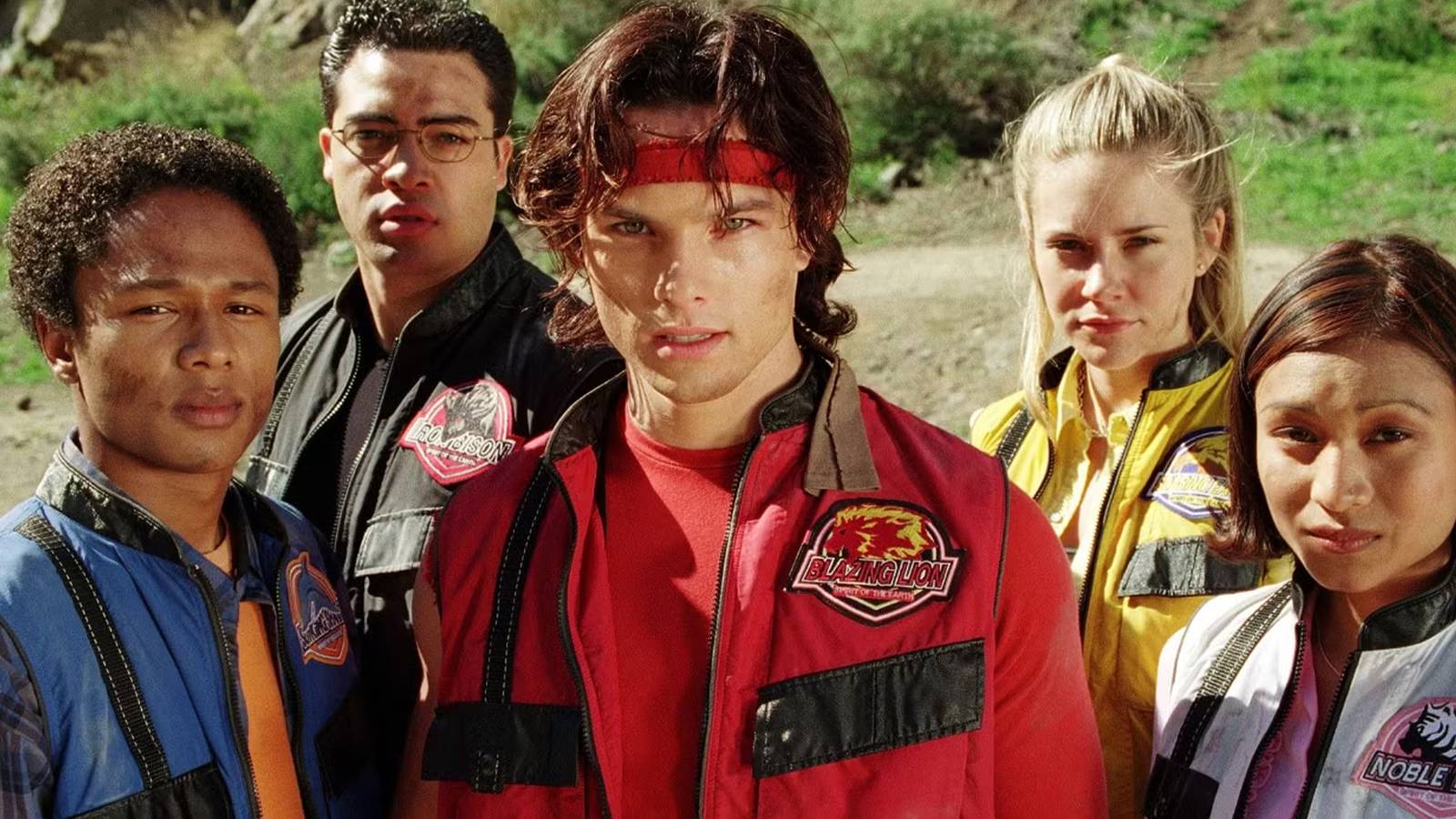
Power Rangers Confirms Two Fan-Favorite Eras Are Returning
3 weeks ago
87


Prime Video Just Made An Announcement That Takes On Netflix
3 weeks ago
64
 English (US) ·
 © Clint's Comics 2026. All rights are reserved
