

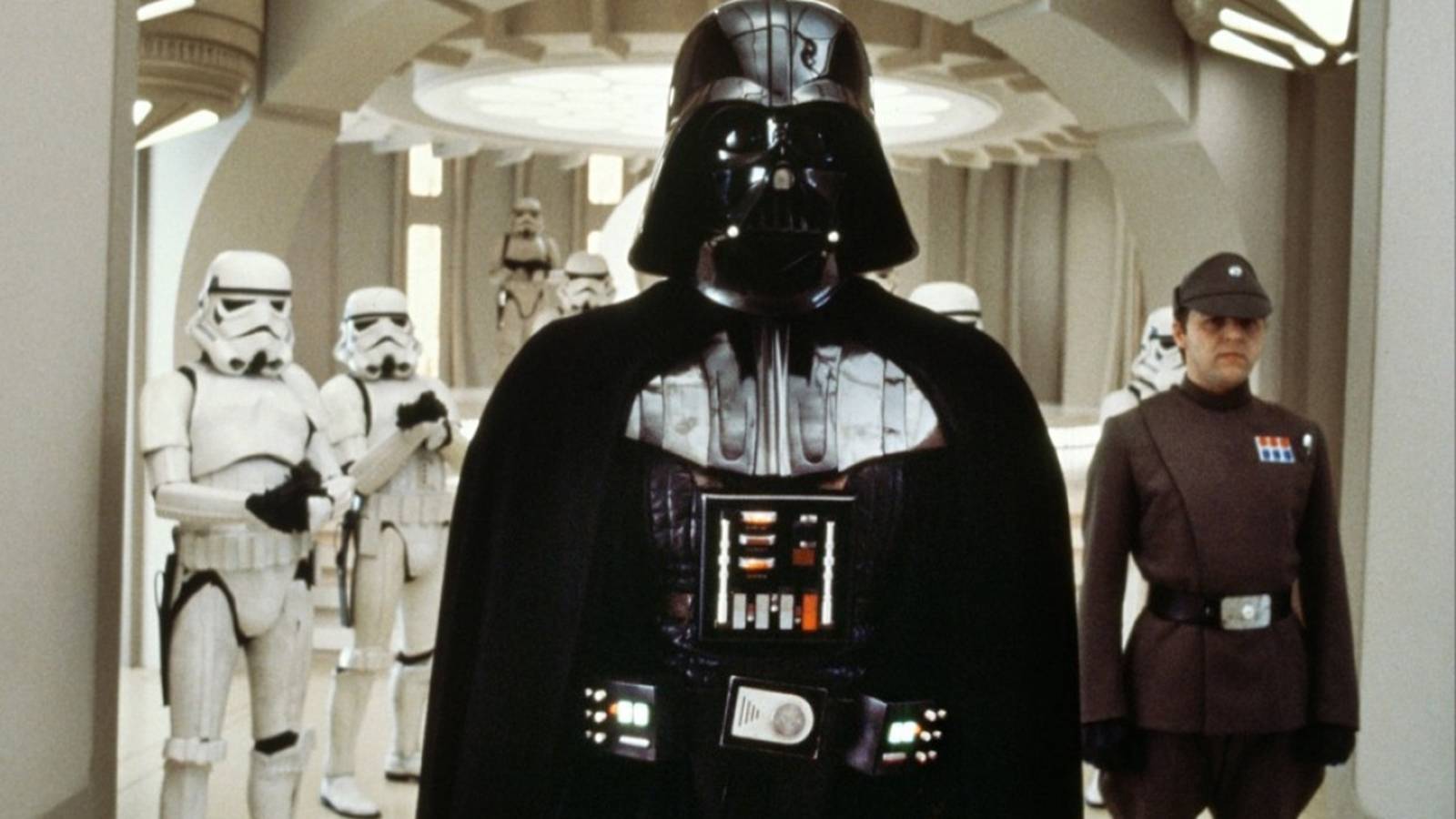
The latest Star Wars release is drawing mixed reactions as early box office numbers and audience feedback come into focus over the Memorial Day weekend. The Mandalorian and Grogu is now tracking toward a four day domestic opening between $97 million and $98 million, according to Disney insiders. That figure includes about $77 million for the traditional three day window.
Pre-release tracking had placed the film closer to $82 million, with some estimates ranging as high as $95 million and as low as $70 million. Rival studios are watching closely, with some suggesting the Pedro Pascal led film will likely reach $100 million by the end of today. That would mark a strong showing in a post Covid box office environment, even as expectations remain tempered.
For comparison, Solo: A Star Wars Story opened to $103 million over four days in 2018, with $84.4 million of that coming from the longer weekend. That film ultimately struggled, finishing with less than $400 million worldwide and earning weak reviews from both critics and audiences.
Audience response to The Mandalorian and Grogu has been mostly positive so far, with an 88 percent audience score on Rotten Tomatoes. Still, the film has sparked concern among longtime fans who were hoping for a stronger creative direction after recent entries in the franchise. Our own reviewer, a certified, hardcore Star Wars fan, said he and his wife “should have just waited for this to drop on Disney Plus.”
Ouch
— Paul Chato 🇨🇦 (@PaulChato) May 23, 2026
Okay, here’s my honest review of THE MANDALORIAN AND GROGU:
I never thought I’d see a STAR WARS film with no stakes and less suspense, but here it is. This is a “memberberry” packed slog in which the most obscure action figures you played with as a kid (and endless slight…
— Bill Hunt (@BillHuntBits) May 23, 2026
He, and many other viewers have criticized the film for lacking narrative weight and suspense. The story has been described as episodic and thin, with little effort to expand the characters or the larger Star Wars universe. Critics argue the film feels like a repackaged version of planned television material rather than a fully developed theatrical release.
The project follows the creative direction established by figures like J.J. Abrams, Dave Filoni, and Jon Favreau. That approach has leaned heavily on familiar elements and legacy characters, which continues to divide the fan base. While nostalgia remains a strong draw, some say it is starting to replace meaningful storytelling.

There is also growing concern about what this means for the future of Star Wars. After years of uneven releases, many fans were looking for a bold reset. Instead, this film appears to double down on the same formula that has produced inconsistent results.
Despite these criticisms, the financial outlook remains solid. A near $100 million holiday opening would still signal strong interest in the brand. The question now is whether that interest can hold, or if the franchise is once again heading toward diminishing returns. Star Wars may not be dead, yet, but it’s definitely on life support.
***






 English (US) ·