Features Tom Shapira | July 23, 2026 “It was a golden age, a time of high adventure, rich living, and hard dying … but nobody thought so.” The opening line of Alfred Bester’s classic (and I mean "classic," not just "old") science fiction novel is probably as good a description of American comics publishing in the late 1970s as one could find. The old world was dying and a new world was struggling to be born. The direct market was coming into being, a new generation of creators were very much the mirror image of New Hollywood’s Enfants Terrible, and Will Eisner had already coined the term "graphic novel," fighting to give legitimacy to a medium that (in the United States at least) was seen as childish and simple. Things were changing. Evolving even. The thing about evolution, though, is it's not a straightforward process. It is not a direct line from "less" to "more." It is a process of trying and failing, of finding new niches and seeing what fits them. The "graphic novel" as we know it today is a product of that period: size and spine aside, the graphic novel still uses the same visual language as the comic book and the comic strip before it. The panels, the speech bubbles, the em...
R&R: The Stars My Destination might not be comics exactly, but it’s still great
 2 months ago
82
2 months ago
82
Related

Lanterns Killed Hal Jordan and the Reason Is Even Worse
2 hours ago
5

Paramount Turns to Spielberg for Next Transformers Movie
4 hours ago
5

DC Minis #32 – Dark Sorcery Part 3 – “Arson”
10 hours ago
5

Ares by Michael Avon Oeming (2010)
11 hours ago
5
Popular


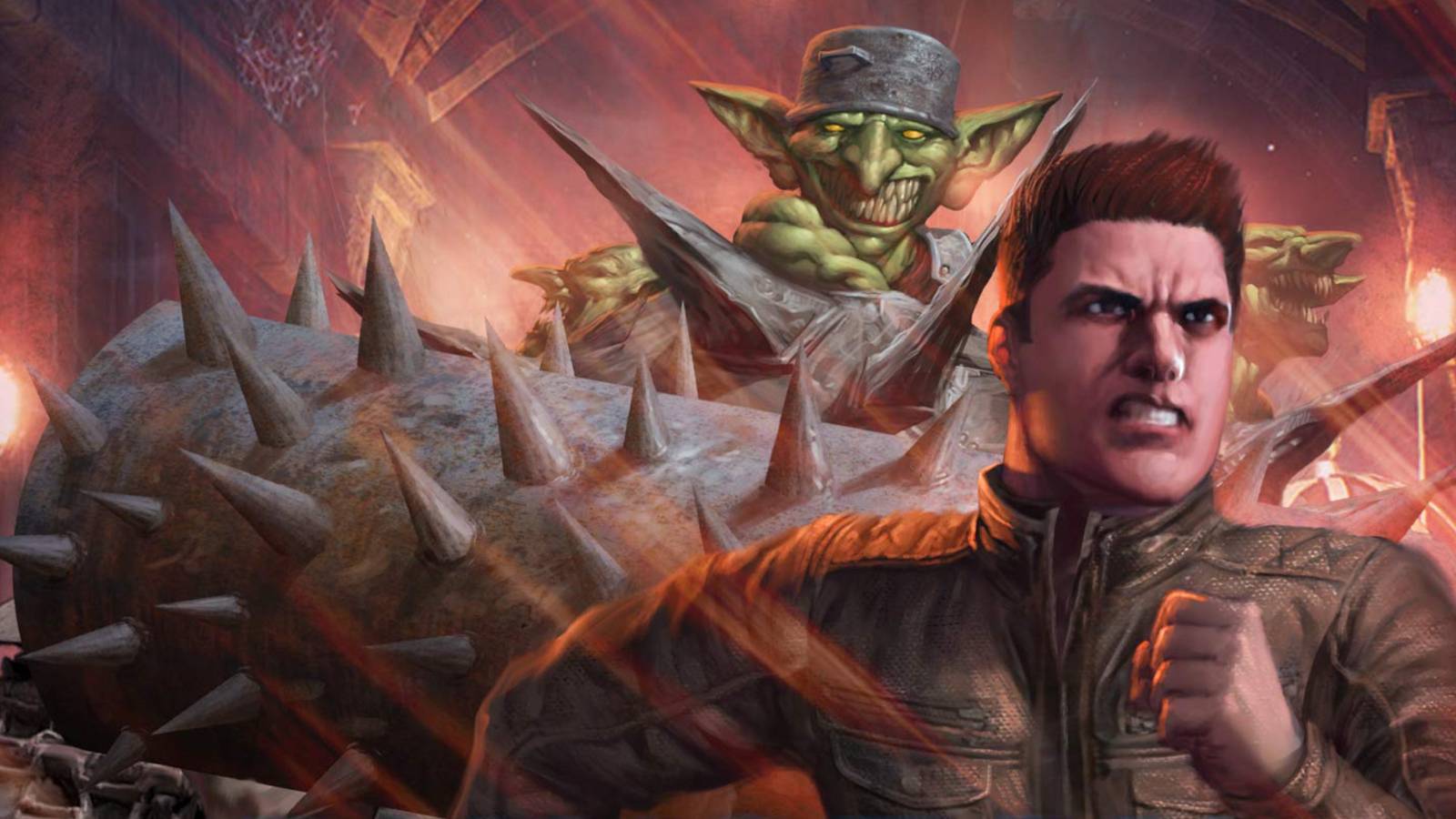
Dungeon Crawler Carl Announces Free Limited-Edition Release
2 weeks ago
125
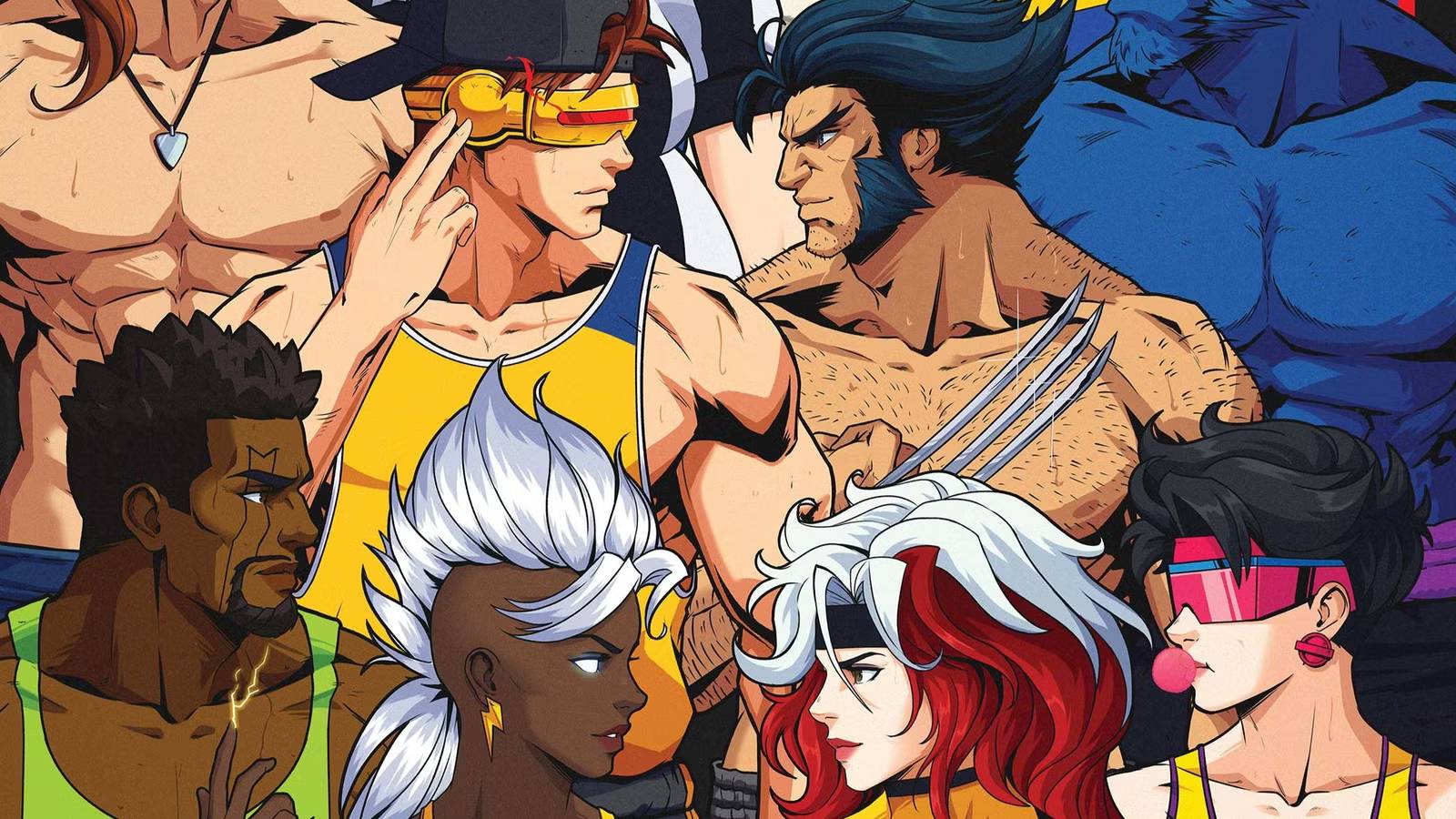

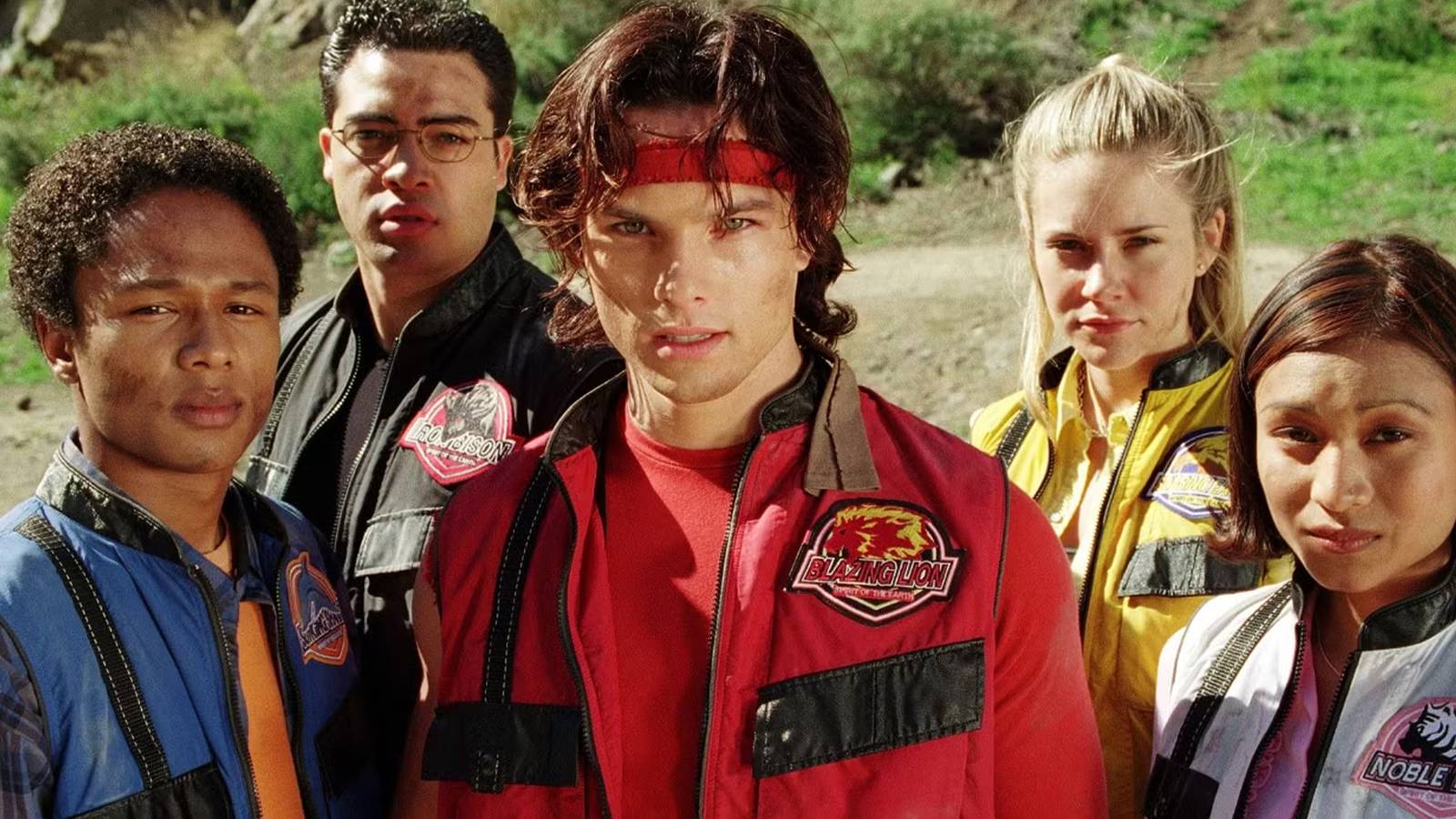
Power Rangers Confirms Two Fan-Favorite Eras Are Returning
3 weeks ago
87


Harley Quinn #66 Comic Review
2 weeks ago
65
 English (US) ·
 © Clint's Comics 2026. All rights are reserved
