

James Gunn doesn’t have a talent problem. He’s got a credibility problem. That’s harder to fix, and it’s now shaping the future of DC’s comicbook legacy on screen.
Let’s look at his history with these kinds of properties. Gunn was publicly fired from Marvel after a wave of crude, disgusting resurfaced posts raised serious questions about his judgment. Shockingly, he was later rehired for Guardians of the Galaxy Vol. 3, but that creepy episode didn’t vanish. It only set the baseline. Audiences remember.
Then came The Suicide Squad. Was it a sequel or a reboot? Gunn wouldn’t give a straight answer. He said it was “not the same.” The result was confusion. The film landed somewhere in between, which satisfied neither camp. Cause and effect matter. If the audience can’t define what they’re watching, they’re less likely to invest in it.

Next was Peacemaker, a spinoff built on the same tone. Crass humor, inside jokes, and casting choices that raised eyebrows, including the presence of Gunn’s wife in a prominent role. That may seem minor, but it feeds a larger narrative. Is this a carefully managed universe or a personal sandbox?
When Warner Bros. shifted leadership and paired Peter Safran with Gunn to run DC, the promise was clarity. Gunn said he wouldn’t continue Zack Snyder’s vision. It would be a fresh start. Clean slate. New direction. Yet projects like Creature Commandos and Peacemaker Season 2 carried over characters and tone. So what changed, exactly?
That brings us to Superman in 2025, the first major test of Gunn’s DCU. The film underperformed. Not a collapse, but not the reset the studio needed. Reports and reactions pointed to overcrowding, tonal confusion, and a shaky grasp of core characters like the Kents. That’s not a small issue. Superman is the foundation.

The creative choices also sparked backlash. The film opens with Superman already defeated. Within minutes, he’s beaten again. He relies on help from others, including Krypto. Key victories are handed to side characters. Lois Lane challenges Clark immediately. The story leans into spectacle and messaging instead of a clear heroic arc.
And then there’s the vulgarity. The crude bathroom humor, the sexual shock material, and the need to turn major comic book properties into a string of juvenile punches all point to the same thing. This isn’t daring. It’s disrespectful to the material when it stops looking aspirational and starts looking juvenile. When Peacemaker 2 arrived, it and many other related DC projects leaned into nudity, gay orgies, sex jokes, and bathroom gags. It suddenly stopped feeling subversive and started feeling cheap. Who honestly asked for this?

For longtime fans, this is not just a tone issue. It is a trust issue. They were told there would be a clear new direction for DC, yet the result keeps circling back to the same cheap habits. Why should anyone believe there is a real plan when the output keeps chasing the lowest common denominator?
But let’s go back to the foundation. Why start your new universe with a weakened Superman? Why build your flagship hero around loss instead of strength? That decision signalled Gunn’s intent. It also shaped audience trust. The tonal inconsistency, heavy-handed thematic inserts, and a sense that the film was juggling too many ideas at once made the movie more about spectacle than vision. Even moments meant to inspire, such as public reactions to Superman, turned into reversals where the people quickly turn against him. That may be realistic in some contexts, but it clashed with the mythic role the character has historically played.

Then Supergirl arrived and struggled right out of the gate, barely managing to reach number two on its opening weekend. There’s even a Supergirl poop scene, adding further proof that Gunn leans on crude bathroom humor and uses it as part of the tone for his DC material. The screenplay reminded many that Gunn had promised “rock solid” scripts across the board. Instead, critics and audiences were tossed a movie with a weak script, unclear tone, a surly and drunk protagonist, and it was all based on questionable source material. Gunn’s pattern continued.
This is where credibility becomes central. Gunn says one thing, delivers another, and then pivots again. Over time, that erodes confidence. Studios can survive a single underperforming film. They struggle when leadership can’t define a consistent vision.
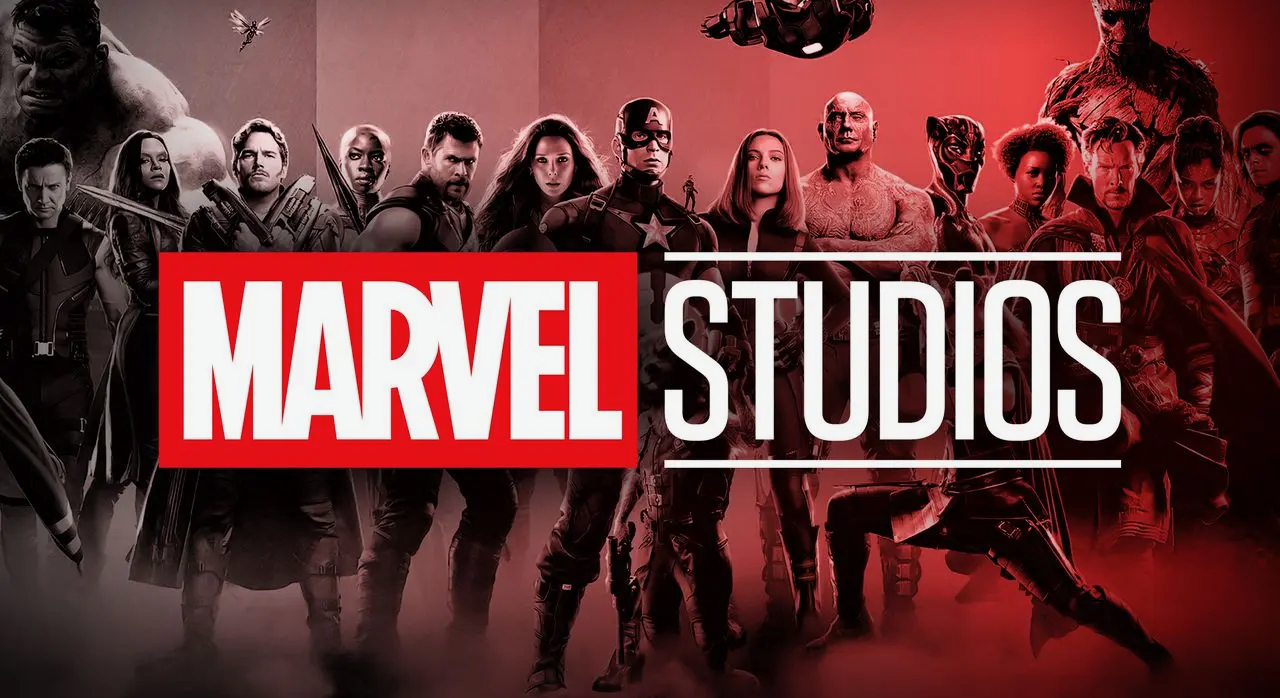
There’s also a broader industry trend at play. Shared universes depend on cohesion. Marvel built its success on clear phases and steady escalation. When DC attempts a reset but keeps fragments of the old tone and characters, it muddies the brand. Is this a reboot or a continuation? The audience shouldn’t have to guess.

With a potential Warner Bros. and Paramount merger looming, financial discipline will matter more than ever. New leadership has to make hard calls. If the perception is that DC lacks direction, the question becomes unavoidable. How much time and money will new owners invest in Gunn’s ideas before demanding a change?
Gunn may still have time to course correct. Hollywood has seen turnarounds before. But that requires consistency, clear messaging, and films that match the promises made. Right now, the gap between those promises and the results is monumental. And in a crowded market where audiences have endless options, credibility isn’t a luxury. It’s the product.
That is why the backlash keeps coming. It is not nostalgia for the past. It is disgust at the present. For longtime fans, this approach doesn’t feel edgy anymore. It feels cheap, repetitive, and disrespectful to characters with decades of history behind them. It’s becoming less clear whether Gunn understands what made these characters endure in the first place. Superman, Batman, and the rest were never built to be drenched in smut and self-satisfied provocation. They were meant to inspire, not embarrass the audience.
***









 English (US) ·