

Marvel Comics has handed activist author Justina Ireland another high-profile assignment, tapping her to write What If… The Radioactive Spider Bit Jessica Jones? for the eight-issue What If…? 50th anniversary one-shot series launching in July. This latest gig comes amid fan frustration with her recent work, reigniting questions about her influence across publishing and entertainment.
Justina Ireland was known in the 2010s for starting Twitter mobs to get people’s books cancelled. Justina and her friends ultimately destroyed YA publishing. The genre, which used to publish hits like “Twilight,” “The Maze Runner” and “Divergent” is now a sea of joyless,… https://t.co/Bfe21yoDhs pic.twitter.com/rY1sDuhGb4
— Daniel Friedman (@DanFriedman81) February 24, 2026
Back in the 2010s, Ireland positioned herself at the center of YA Twitter’s culture wars, earning praise from outlets like Vulture as the genre’s “leading warrior.” The profile highlighted her viral threads targeting white authors, diversity panels, and her blunt warning to writers: handle minority characters right, or “Imma tell you” if they “fucks it up.” Publishers took note, with editors describing a “culture of fear” where her critiques could force books into revision—like Keira Drake’s The Continent, labeled a “racist garbage fire” and pulled within a week.
What followed was a shift in YA from blockbusters like Twilight, The Maze Runner, and Divergent to messaging-heavy titles prioritizing identity politics over broad appeal. Ireland amplified this by launching a “sensitivity reader” database, where hundreds of authors paid for vetting to avoid accusations of “internalized bias.” Critics saw she was excerting control, not elevating representation. In response, she dismissed any pushback as racism, even as her tactics drew threats and hurt her own sales.

Rather than dial back, the entertainment institutions elevated her. Ireland became a core “story architect” for Disney’s Star Wars: The High Republic initiative, shaping its lore with the same ideological lens that dominated YA. Her bio touts key roles across multiple titles, signaling Lucasfilm’s embrace of that worldview. Yet the era’s flagship, Star Wars: The Acolyte, alienated fans as preachy and disconnected, costing over $230 million (net ~$180 million post-credits) before cancellation, which was no small hit to shareholders.

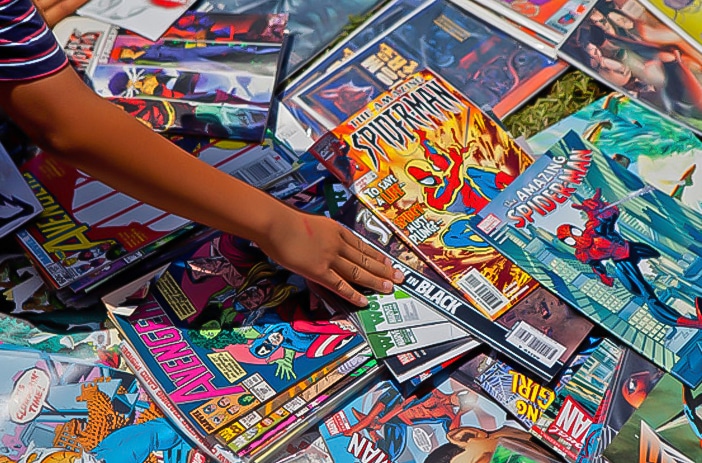
The pattern persists in comics. Marvel assigned her to co-write Amazing Spider-Man‘s “8 Deaths of Spider-Man” arc despite her limited prior credits, drawing complaints of “stunningly poor pacing” in issues like #68. Storylines feel messy, momentum lags, and fans question if hires prioritize media approval over the heroic Peter Parker tales they expect. Is Marvel serving readers or activist networks?
This trajectory—from YA enforcer to franchise architect to Marvel regular—exposes a broader entertainment trend. Publishers chased Twitter approval, watched YA sales crater; Star Wars bet on the formula, burned cash; now comics test the same waters. Disney’s corporate rhetoric clearly still frames it as DEI progress, but declining box office and sales charts reveal fans are fleeing. Ireland’s promotions amid flop after flop raises the stakes even higher: will Marvel Comics ever go back to siding with their core audience over ideology?
***







 English (US) ·