
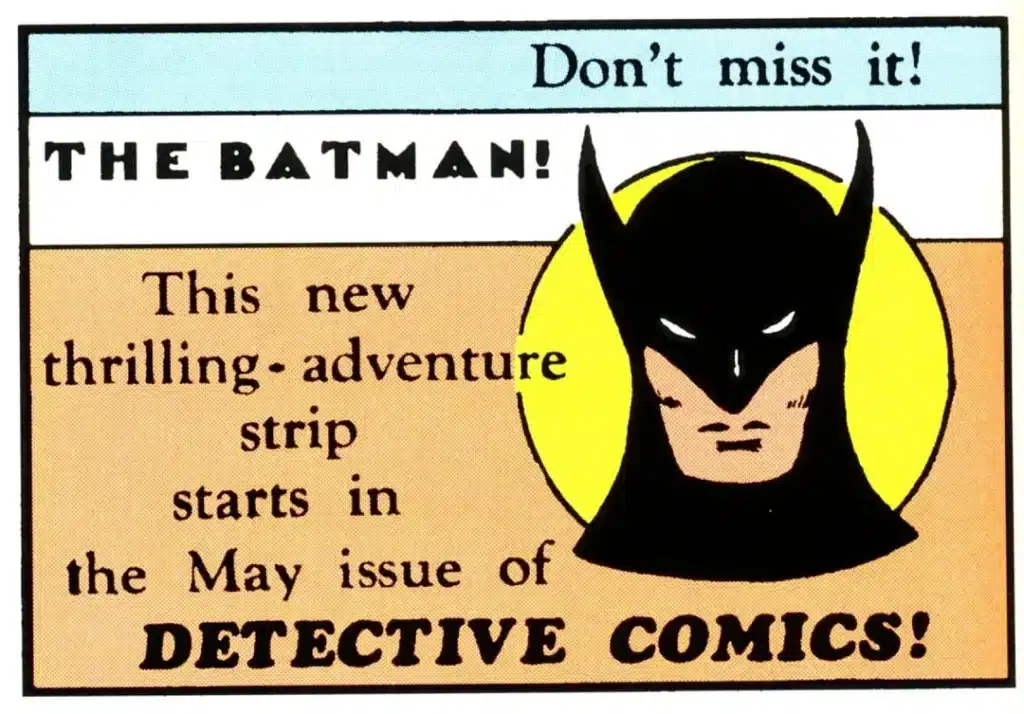
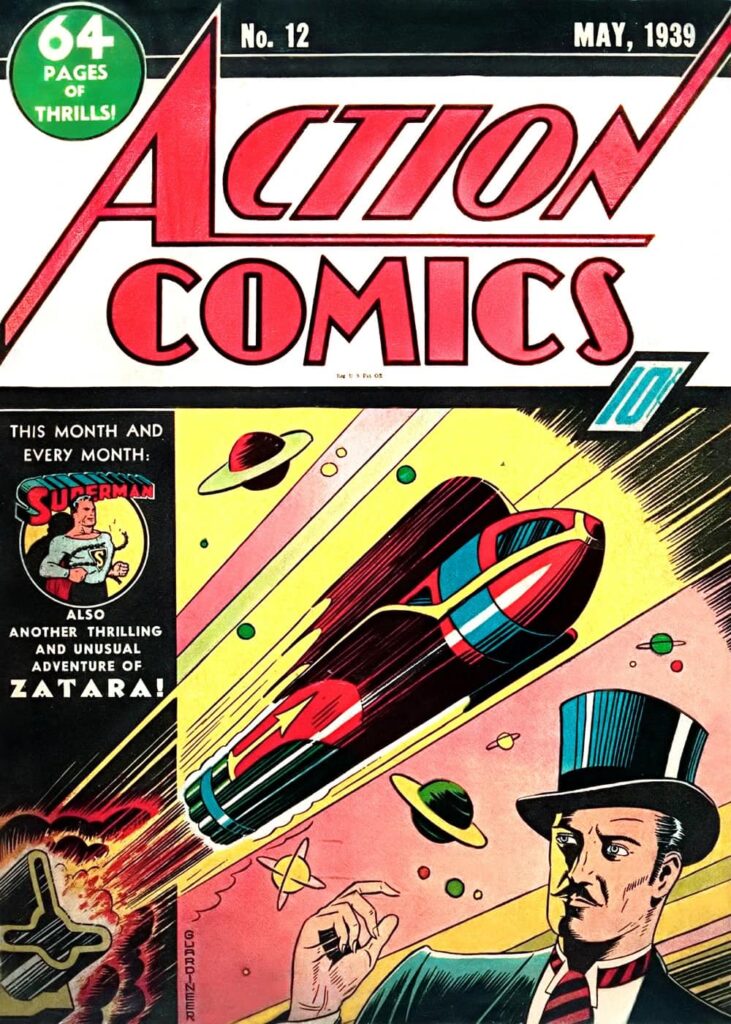
Batman First Appearance is a phrase almost universally associated with Detective Comics #27, but the pensive truth of history points to this day, April 4, 1939. While the “Dark Knight” would eventually dominate the industry, his first literal appearance occurred within a small advertisement panel in Action Comics #12. This industry-shaking promotional placement predated his full story by several weeks, offering a pensive and visceral glimpse into a character that would reshape pop culture. For fans who want to understand the foundations of the superhero genre, this ad is the definitive portal into the birth of a legend.
The creative engine and authority behind this landmark milestone includes:
- The Architect: Bob Kane
- The Ghostwriter: Bill Finger
- The Publisher: DC Comics (then National Allied Publications)
- The Date: April 4, 1939
The history of Batman First Appearance is rooted in the overwhelming success of Superman. Following the Man of Steel’s 1938 debut, publishers were in a high-stakes race to find more superhuman heroes. Bob Kane, a young artist looking for a “slam dunk” hit, began sketching “the Bat-Man.” However, as history later unwrapped, the character we know today was a pensive result of collaboration and radical design changes.
The Secret Collaboration of Batman First Appearance
What readers should understand about the April 4th anniversary is the staggering difference between Kane’s original sketches and the final product. Bill Finger, who was later recognized as the character’s true narrative architect, recalled visiting Kane’s apartment to find a character that looked suspiciously like Superman. The original design featured reddish tights, no gloves, a simple domino mask, and two stiff, mechanical bat wings. It was Finger who suggested the iconic cowl, the flowing cape, and the dark, pensive color scheme that defined the character’s aristocratic mystery.
The pacing of the character’s development drew heavily from pulp predecessors. Like the Scarlet Pimpernel and Zorro, the Bat-Man was designed to perform his heroic deeds in secret, avoiding suspicion by playing the wealthy fool in public. This intelligence-heavy approach to the secret identity created a hierarchy of drama that ensured the character’s longevity. Transitioning from the bright, alien power of Superman to this extraordinary and grounded detective, the duo provided a vibrant alternative for the new comics readers of the 1930s.
Bill Finger and the Anatomy of a Legend
Visually, the ad in Action Comics #12 was the first time the public saw the “Batman” name in print. The panel showcased the character swinging on a rope, a visual cue that would become a staple of comic book covers for decades. Rendering a hero who utilized shadow and fear as weapons required a level of artistic authority that set the series apart from the more “noble” heroes of the era. For those exploring our This Day in Comics archive, this April 4th debut is the “Year Zero” of the Gotham mythos.
Furthermore, the volume utilizes the unique strengths of the medium to explore the dual nature of Bruce Wayne. The dialogue in those early stories, though often rough, reflected a pensive perspective on justice. As the “Bat-Man” was marketed to fans as a “thrilling” new feature, the mathematical certainty of his success became apparent. Transitioning from a simple ad to a global phenomenon, the character reflects the power of an original voice that can haunt the imagination of millions.
In conclusion, Batman First Appearance is an essential piece of sequential art history. From his debut as a promotional panel in Action Comics #12 to his status as a seasoned commander of the DC Multiverse, he reflects the endurance of the heroic ideal. Whether he is haunting the mind of the Joker or leading a charge for the Justice League, his legacy is one of silence, sacrifice, and absolute narrative authority. Don’t miss this portal into the “Action #12” era when you revisit the classics this month!
📢 Join the Conversation
Did you know Batman’s first appearance was actually an ad panel? Do you think the character would have been as successful without Bill Finger’s design changes? Join the conversation on X and tag us @comicbookaddt to share your thoughts on the birth of the Bat!
Follow our community for more updates:











 English (US) ·