

Damon Lindelof faces backlash from comic legends Alan Moore and Grant Morrison over his DC projects. During a podcast interview, the TV producer called the “Green” in Green Lantern stupid, explaining why he renamed HBO’s upcoming series to simply Lantern, raising questions about James Gunn’s leadership at Warner Bros.
Lindelof also created the HBO miniseries Watchmen, which acted as a sequel to Alan Moore’s acclaimed graphic novel. When Lindelof tried to send him a self-deprecating letter in an attempt to make a connection, he wrote, “Dear Mr. Moore, I am one of the bastards currently destroying Watchmen.” Moore later called it “neurotic rambling,” and told Lindelof to stop contacting him. Moore has long criticized DC for holding the Watchmen rights, but the series still won praise, scoring 96% on Rotten Tomatoes, and earning 26 Emmy nominations, and for which Lindelof won an Emmy for writing, which makes sense because Lindelof’s “Watchmen” was woke AF.
The series centered racism as the main evil of our times, starting with a detailed portrayal of the 1921 Tulsa massacre and portraying white supremacy as an ongoing institutional threat in its alternate America. Lindelof said that ignoring race in a 2019 political story would have felt “borderline irresponsible.” The show featured a strong, Black, female protagonist fighting systemic oppression, celebrated minority superheroes as a correction to historical disempowerment, and even race-swapped one of the main characters from the book and original film. It faced immediate backlash for being too woke and pushing progressive politics onto a classic property.

All of this fits Lindelof’s pattern in other projects often called woke. On Lost, he later expressed deep regrets over mishandling characters of color and allowing a toxic, racially insensitive writers’ room. His defense of Watchmen against early criticism, where he dismissed review-bombing as angry reactions to the series having too many people of color or sympathy for LGBTQIA+ issues, highlights his focus on identity-driven stories. This is his M.O. and we shouldn’t expect him to change now.
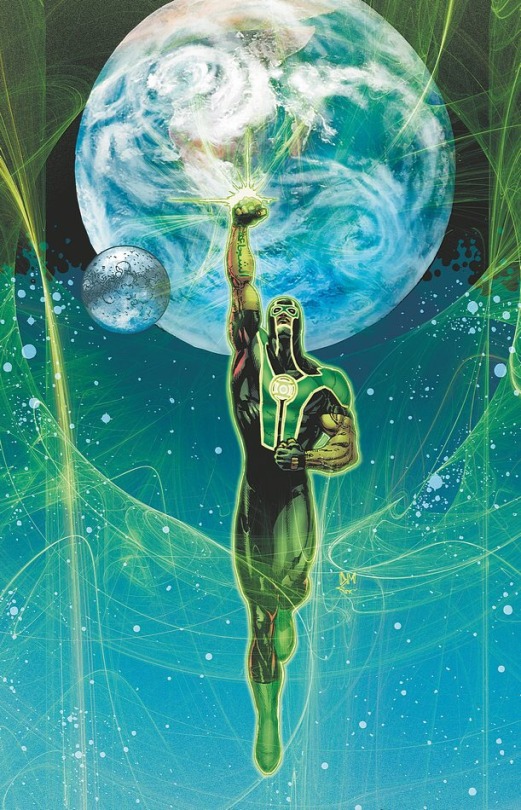
Now Lindelof is producing Lanterns for HBO and James Gunn’s DCU. He said on the podcast, “It’s called Lanterns, because we all agreed that the ‘Green’ was stupid.” DC Studios co-CEO James Gunn obviously backed the change, and calls it a grounded show, ostensibly because it skips the whole space cops with magic rings schtick. The trailer looks more like Taylor Sheridan’s neo-Western style meets True Detective, complete with a bossy female sheriff scolding the superheroes.

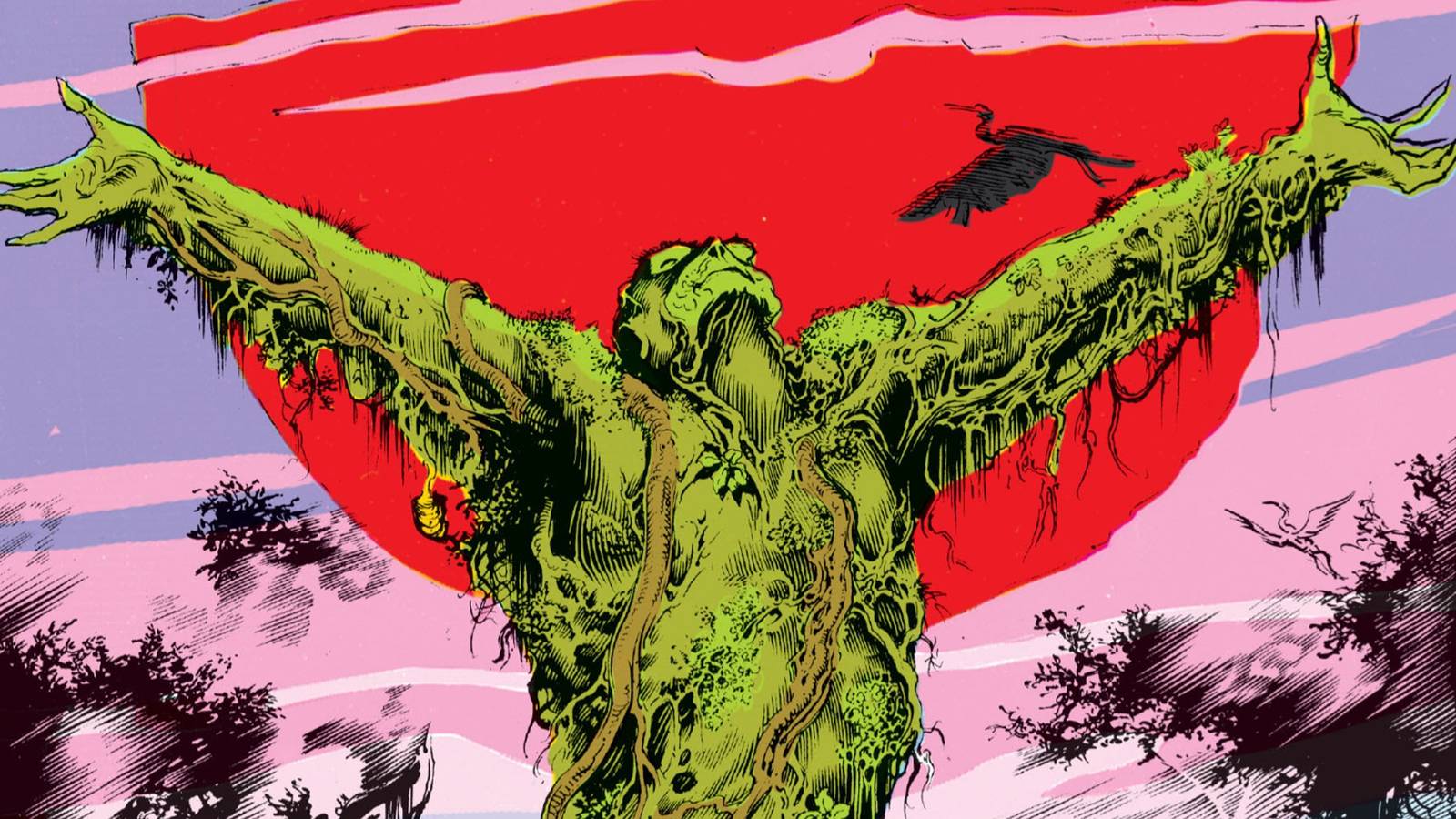
Another legendary comic creator, Grant Morrison, a fan favorite writer for Green Lantern comics has also objected to Lindelof’s approach. On his Substack, Morrison plainly asked (in response to the unearthed podcast interview) why did Lindelof takes the job if he hates the idea of the character. He called the remarks a “jockish dismissal,” adding that the “only people who give a f— about the Lanterns TV series are Green Lantern fans. Why alienate them at the start?”
“TV writer/producer Damon Lindelof’s comments notwithstanding, the ‘Green’ in ‘Green Lantern(s)’ green is not ‘stupid’. Why does a writer attach himself to this kind of narrative if he thinks it’s fundamentally ‘stupid’? You don’t hand CSI scripts to patronising writers who condemn forensics experts and their haircuts as ‘stupid’, so why hire people who are ashamed and in denial about the comic book material they’ve been assigned to develop? Why don’t they turn down jobs they’re not suited for?”
“It’s not like he needs the money, and Lindelof has proven that he can come up with his own ideas. What is this jockish dismissal of superhero conventions intended to prove anyway? Does Lindelof imagine it makes him seem less nerdy? It’s a bit too late for that, so what’s it all about? The only people who give a f*ck about the Lanterns TV series are Green Lantern fans. Why alienate them at the start? That feels more like ‘stupid’.”
“‘Green Lanterns’ is a much more evocative and dramatic title than ‘Lanterns’, (just as ‘Raise the Red Lantern’ is a better movie title than ‘Raise the Lantern’), and anyone who can’t grasp why that is shouldn’t be anywhere near superhero stories. The show might even be good, but how much better could this stuff be if studios were willing to hire the right people for the job instead of phoning their embarrassed friends to water the source material down? Hollywood will die of insularity and inbreeding.”
The response was swift, and so loud that Lindelof was forced to admit it was all just a dumb joke, regretting that he had upset most British comics writers he admired, in what appeared to be another attempt at self-deprecation, which of course was enough for the easily entertained to suddenly want to see the show again…
“Green is not stupid, it is my lifelong favorite color,” Lindelof wrote, adding, “Green is f**king awesome.” He also stressed that he’s “honored” to be working on Lanterns, and that it would be a “betrayal” to suggest otherwise.
James Gunn, as co-CEO of DC Studios, is the primary force driving the direction of the DC Universe by approving key creative hires and shaping legacy characters. This includes enlisting polarizing figures like Damon Lindelof and Tom King for projects such as the Lanterns series, where King serves as a co-creator and provides input on other DCU endeavors like Superman, despite widespread fandom criticism of King’s grim, character deconstructions in divisive comic series like Heroes in Crisis, his Batman and Wonder Woman runs, as well as his CIA background, and related online controversies that many see as a red flag for the DCU’s future. Similarly, Gunn has defended Christina Hodson, tapped to write Batman: The Brave and the Bold, even amid backlash over her credits on a string of terrible films like Birds of Prey, The Flash, and the canceled Batgirl, which even charitable fans deem subpar or mishandled. These decisions have fueled ongoing divisive reactions within the fandom.
As Warner Bros hands these franchises James Gunn, who in turn hands them to writers who mock core elements, and ignore what the fans want, it only signals deeper issues at DC where fans are slowly beginning to lose faith in Mr. Gunn, even the easily entertained and charitable ones.
***







 English (US) ·