

James Gunn’s run at DC Studios looks less like a comeback story and more like another Hollywood cautionary tale. What was sold as a bold reboot of the DC cinematic universe now feels like a slow-motion collapse. Projects are getting canceled, box office numbers are sliding, and even the diehard fans are growing tired of excuses. Is anyone really surprised?
When Warner Brothers tapped Gunn to head DC Studios, the move raised eyebrows across Hollywood. Sure, he scored big with Guardians of the Galaxy at Marvel, but that doesn’t make someone a qualified studio executive. GotG seems to be the only style he does well, which is why he keeps playing the same tune for the DCU. David Zaslav, desperate to steady a franchise that’s been stumbling since the Snyder era, handed the keys to a director who has never proven he can lead anything larger than his own set. What followed was chaos dressed up as confidence.
Gunn rolled out an ambitious slate that sounded impressive on paper. He called it a ten-year plan, borrowing the playbook from Marvel’s Kevin Feige. But where Feige built trust, Gunn built hype and delivered almost nothing. Titles like Booster Gold and Waller faded before fans even cared to ask when they’d arrive. The few projects that did make it off the ground; Superman, Supergirl, and Lanterns, haven’t exactly sparked excitement, just confusion about what DC was supposed to stand for anymore. And the next big movie is… Clayface. Huh?

Gunn’s trademark mix of forced quirk and cynicism clashed with everything the classic superhero Superman represents. The movie made around $600 million, far short of expectations and even less than Zack Snyder’s Man of Steel. Later, Netflix executive Ted Sarandos told Congress that Superman was one of the films that had “underperformed,” proving the fans calling it a flop were right all along. Creature Commandos, an animated, adult-focused “comedy,” came and went without a whisper. Peacemaker season two promised big reveals for the next phase of the DCU, yet nothing happened, unless you count the gay orgies and ample profanity that’s part and parcel of Gunn’s work.
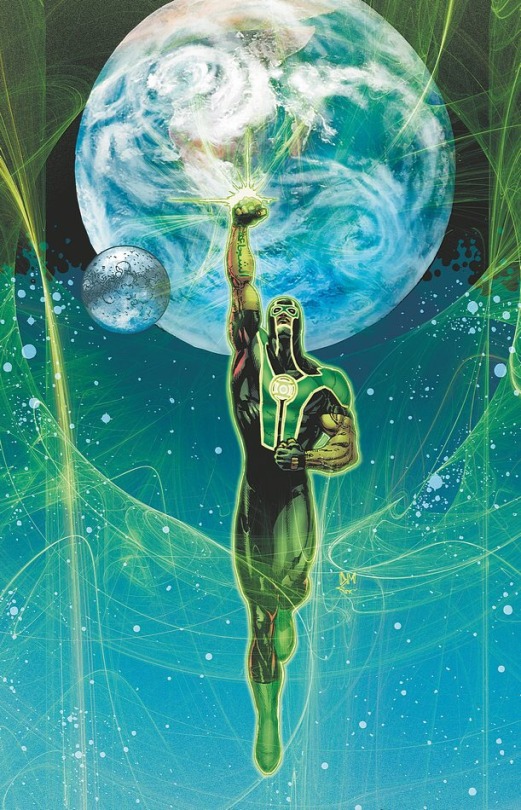
And that Supergirl trailer? It might have been the moment fans officially gave up hope. Gunn’s idea of leaning into CIA agent turned woke comicbook writer Tom King’s desconstruction the character has turned her into a flippant party girl with little more than attitude and vocal fry, and audiences noticed. Was this really his idea of heroic and inspiring? Lanterns was supposed to be the one show that could restore faith in this superhero universe. Instead, its dark, True Detective-style trailer left people wondering why anyone would ground the most colorful hero in outer space with a dull palette, surly buddies, and very little powers. How do you make Green Lantern boring? Gunn may have figured it out.

The timing couldn’t be worse. Paramount’s recent announcement to purchase of Warner Brothers has only deepened the panic. Insiders whisper that Gunn might use “political differences” as an excuse to jump ship, but anyone paying attention knows the real reason—failure. His tone, his management, and his storytelling haven’t connected. The studio keeps shrinking while the audience keeps walking.
Gunn’s creative instincts work when he sticks to misfit squads like Guardians of the Galaxy. But at DC, those instincts turned iconic heroes into snarky cartoons. His dark humor and cynical tone don’t belong in stories about hope, virtue, or courage. They make the world of Superman feel smaller and colder. Was this ever the direction DC fans wanted? Hollywood keeps trusting the same voices who mock the characters and fans that built these franchises in the first place. They sneer at the people who pay their bills, and then they wonder why ticket sales fall. It’s not hard to see the pattern. When leadership stops honoring tradition and starts chasing ideology or irony, the audience walks.

The future of the DC Universe is uncertain. Maybe Man of Tomorrow still arrives in theaters. Maybe it doesn’t. But the dream of a stable DC cinematic universe seems finished. If Hollywood wants to win back audiences, it might need to remember that great entertainment starts with respect—respect for the fans, the characters, and the legacy that made them matter.
Hollywood may still pretend it can reinvent these universes by hiring “visionaries,” but the public doesn’t buy it anymore. When you hire directors who treat heroism as a punchline, you don’t get revitalization. You get retreat. The DCU now stands as a warning about what happens when the people in charge forget who they’re making this for.
***







 English (US) ·