

Published Mar 21, 2026, 10:51 PM EDT
CBR senior staff writer Brian Cronin has been writing professionally about comic books for over fifteen years now at CBR (primarily with his “Comics Should Be Good” series of columns, including Comic Book Legends Revealed). He has written two books about comics for Penguin-Random House – Was Superman a Spy? And Other Comic Book Legends Revealed and Why Does Batman Carry Shark Repellent? And Other Amazing Comic Book Trivia! and one book, 100 Things X-Men Fans Should Know & Do Before They Die, from Triumph Books. His writing has been featured at ESPN.com, the Los Angeles Times, About.com, the Huffington Post, Vulture and Gizmodo. He features legends about entertainment and sports at his website, Legends Revealed and other pop culture features at Pop Culture References. Follow him on Twitter at @Brian_Cronin and feel free to e-mail him suggestions for stories about comic books that you'd like to see featured at brianc@cbr.com!
Sam Kieth, the beloved comic book artist who co-created The Sandman with Neil Gaiman and Mike Dringenberg in 1988, became one of the most popular Wolverine artists in the business in the early 1990s, and created the hit comic book series (which later became an iconic cartoon on MTV), The Maxx, has passed away at the age of 63.
RIch Johnston has confirmed that the acclaimed artist has passed away from Lewy Body Dementia. He is survived by his wife of 43 years, Kathy Kieth.
Kieth made his comic book debut in 1983 while he was just 20 years old in Comico Primer #5 (the same anthology series where Matt Wagner debuted Grendel in 1982), with a short story about a killer hare named Max...
 Image via Comico
Soon after, Kieth began to work with Wagner on Wagner's acclaimed independent series, Mage, as an inker...
 Image via Comico
While continuing to work on Mage, Kieth did stories for a number of different independent comic book series of the era. In 1988, he first began to work for DC Comics. After a fill-in issue of Infinity Inc., Kieth was the inker on Manhunter with writer John Ostrander and penciler Doug Rice, which launched out of Millennium.
 Image via DC
Soon after that series, he was given the chance to launch a brand-new series for DC, where Kieth and Mike Dringenberg would help design Morpheus, Dream of the Endless, with design help from the writer of the series, as well, Neil Gaiman. That series was The Sandman, one of the most acclaimed comic book series of all-time. Kieth would pencil the series at first, with inks by Dringenberg...
 Image via DC
It was during this period that Kieth and Dringenberg drew one of the greatest sequences in the history of the series, Morpheus fighting a demon in an interesting word game (a sequence that Kieth would later note was Gaiman's attempt to cater to what Kieth wanted to draw at the time, as Kieth felt he wasn't a good fit on the series, and ultimately left the book in its first year )...
Kieth drew a notable take on the Penguin's origin with writer Alan Grant in an iconic Secret Origins Special that is perhaps best remembered for the Neil Gaiman-penned Riddler origin story in the issue (drawn by Kieth's former Comico colleagues, Bernie Mireault, Matt Wagner, and Joe Matt. It's awful that we have lost Grant, Mireault, Matt, and now Kieth)...
 Image via DC
Kieth did his first work with an important future collaborator, William Messner-Loebs, in the Pirranha Press series, Epicurus the Sage...
 Image via DC
Kieth drew an Aliens miniseries for Dark Horse, and then did his first work at Marvel, drawing a Freddy Krueger story with writer Peter David that ended up going unpublished (he did a pin-up in the second issue of the Nightmare on Elm Street series)...
 Image via Marvel
His work with David got him a fill-in issue of David's Incredible Hulk...
 Image via Marvel
Editor Terry Kavanagh then made the bold move of hiring Kieth to work with Peter David on the Wolverine lead feature in Marvel Comics Presents...
 Image via Marvel
Kieth's unusual design of Wolverine was shocking at the time, but by the time he left the series, he was one of the most popular Wolverine artists at Marvel.
 Image via Marvel
At the height of his success at Marvel, Kieth joined a number of other major Marvel artists who left to join Image Comics, doing creator-owned series. Kieth's series (with Messner-Loebs scripting the book for the first two years of the book, until Kieth felt comfortable enough writing it by himself) was The Maxx...
 Image via Image Comics
The series became a particularly notable piece of 1990s pop culture when MTV did an EXTREMELY faithful adaptation of the series in 1995...
After he finished The Maxx, Kieth took a break from comics, but returned in 2001 with Zero Girl....
 Image via DC
and Four Women at Wildstorm...
 Image via DC
The rest of the decade was most notable for Kieth going back into mainstream work in a major way. First, with a Wolverine/Hulk miniseries in 2002 for Marvel Knights...
 Image via Marvel
and then a Batman/Joker miniseries, Batman: Secrets, for DC in 2006, that was the start of a number of major Batman-related projects for Kieth (most notably Arkham Asylum: Madness)...
 Image via DC
He did a pair of interconnected creator-owned comic book stories for Oni Press, Ojo, in 2005...
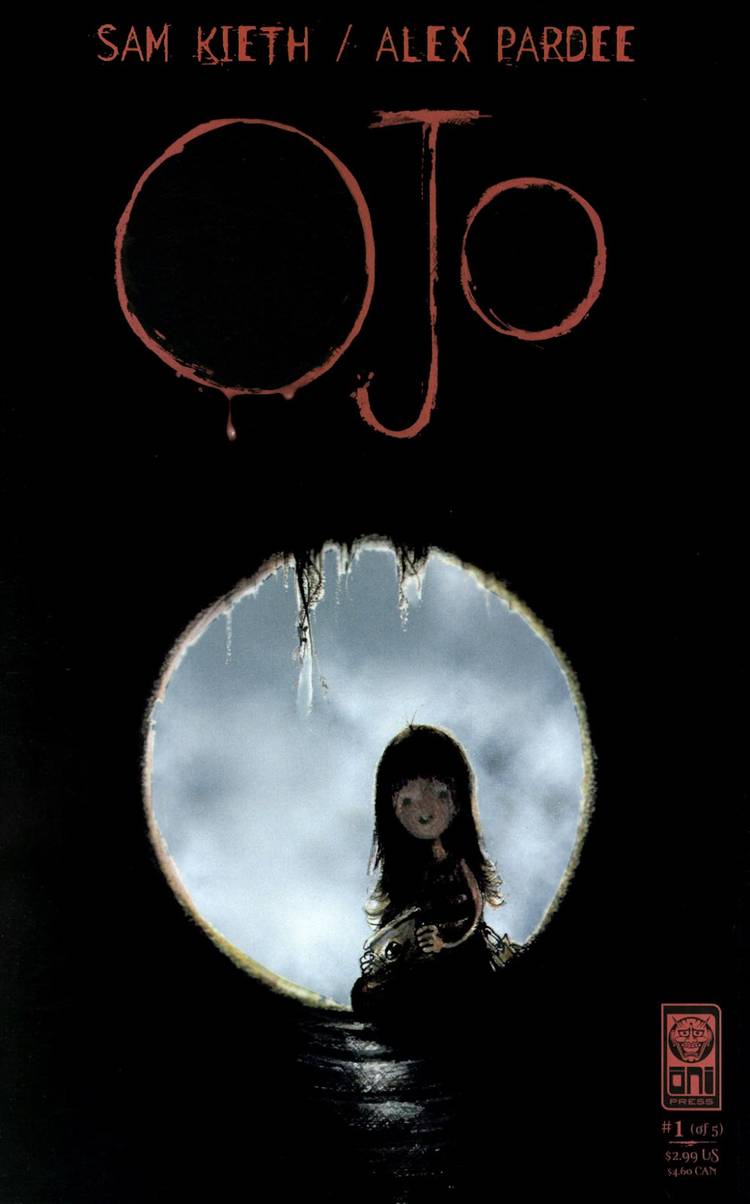 Image via Oni
and My Inner Bimbo, in 2006...
 Image via Oni
Beginning in 2013, Kieth began to republish The Maxx at IDW, with improved production values, dubbed The Maxx: Maxximized...
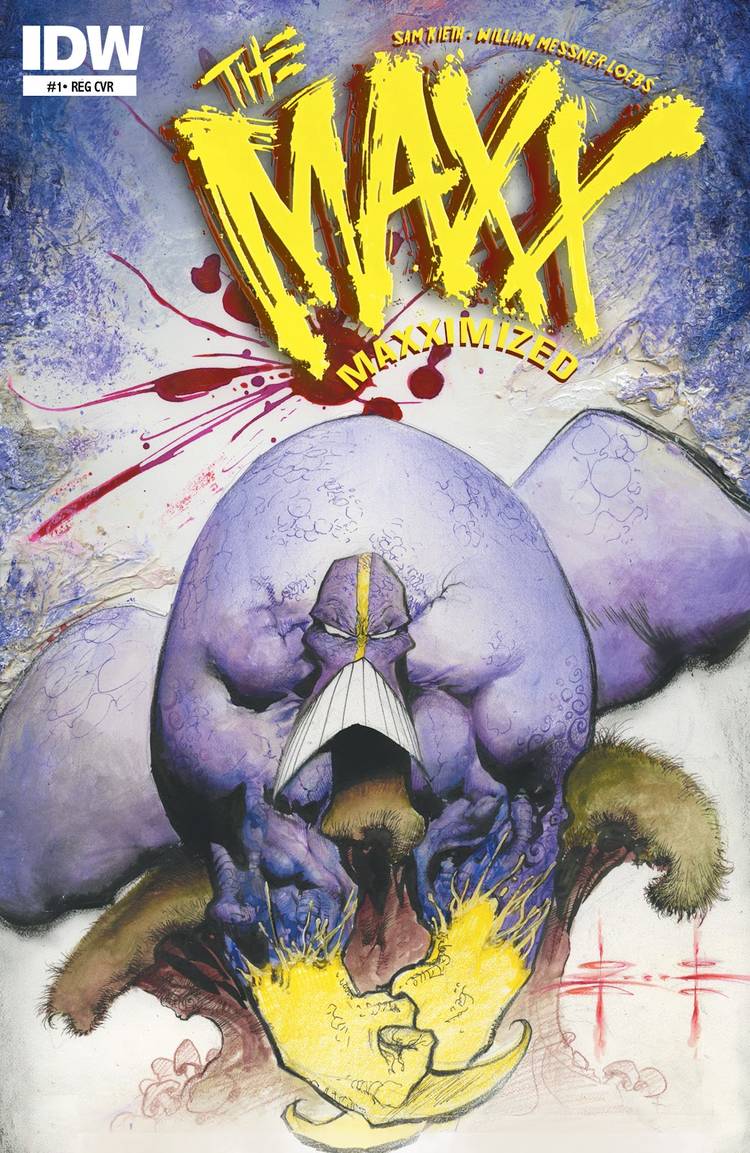 Image via IDW
When the series ended in 2018, he did a Batman/Maxx crossover miniseries...
 Image via IDW
Health issues caused Kieth to mostly retire in recent years.
CBR offers our condolences to Kieth's friends and family.










 English (US) ·