

Hollywood keeps delivering flops, and Supergirl stands as the latest proof that the studios refuse to learn. The latest film in the James Gunn DCU directed by Craig Gillespie opened to a dismal $37 million dollars domestically against a massive budget nearly five times that amount. It opened even worse than Morbius.despite much higher f Why did it crash so hard? The answers reveal a pattern of elite arrogance, fan blame, and cultural disconnect that hurts both profits and audiences.
We’ve listed the ten reasons the movie failed at the box office, but at its core, Supergirl suffered because the character has never matched the draw of Superman, Batman, or Wonder Woman, and so audiences simply stayed home.

Not a Must-See Event
The movie lacked any must-see event status. This meant it could never generate the excitement that turns a release into a cultural moment people plan around and discuss for weeks. Without that built-in urgency, casual fans saw no reason to rush to theaters during a crowded summer. The absence of any real buzz doomed Supergirl from the start.

Supergirl’s Low Popularity
Ever since she first appeared in DC Comics back in May 1959, Supergirl has been a B-list hero without much popularity and thus limited mainstream pull. Studios ignored this reality when they greenlit a big-budget solo adventure for her. The Superman-derivative has always played second fiddle, even inside the comics of the DC Universe. There’s a reason we’ve also never seen a movie centered on Batman’s sidekick Robin, or derivatives like Kid Flash or Guy Gardner. Even Warner Bros.’ recent attempt at a Batgirl movie was shelved. This type of foundational weakness is what made the entire project an incredibly tough sell from day one and left little room for error in marketing or tone.

Marketing Shortcomings and GOTG Rip-Off Vibes
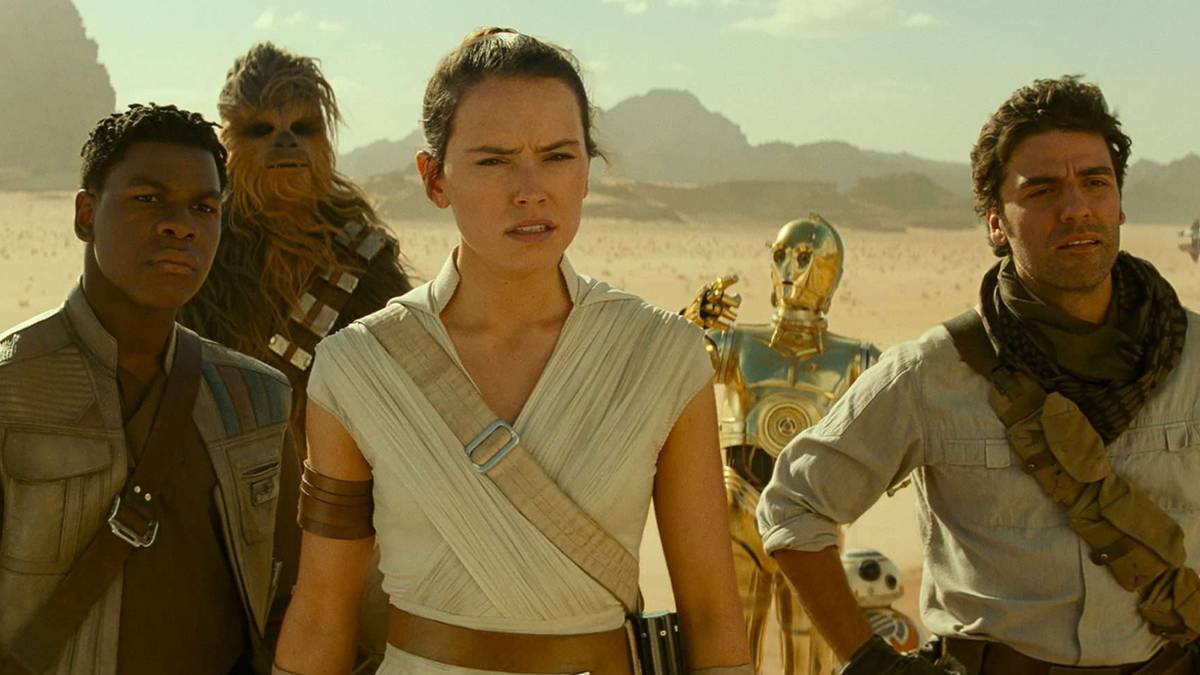
And speaking of marketing and tone, the promotional team only made things worse. The trailers came off as a Guardians of the Galaxy rip-off with heavy sci-fi, needle-drops, and desert planets, but very little unique hook. Themarketing campaign failed to spark any real excitement or bother explain the story. The trailers seemed to share all the same aesthetics as two other recently underperforming films, Star Wars: The Mandalorian and Grogu, and Mortal Kombat II. making Supergirl seem common. With so much excitement being generated over fresh, non-sequel, non-franchise blockbusters like Michael and Project Hail Mary, this lack of uniqueness reinforced the sense that the film offered nothing fresh for a character already perceived as derivative. Combine that with the character’s lower than average popularity, and it was all but guaranteed to attract a weak turnout.
Supergirl | Official Trailer
Milly Alcock’s Pre-Release Comments
Related to the marketing push, only a few weeks ago, we were blindsided with a narrative shift. Insiders at the studio very likely knew for months that Supergirl was unsalvageable, but instead of spending time making honest fixes, it appears as though they opted to seed the ground in order to make it safe to blame the fans when the movie bombed. Star Milly Alcock made several unpopular comments during press tours, targeting Christian dads and pushing the character’s sexuality, by affirming the character as a “queer icon.” These clips spread on social media and immediately alienated core audiences right before release. Was this some kind of reverse damage control, or even deliberate provocation, as a proverbial “ace up the sleeve” when the movie inevitably bombed? Or were they just inartful comments from an actress that should have been better managed by a studio handler?
It’s an easy lesson.
its simple
i do not have super hero fatigue. I bought spider man brand new day presale tickets the day they went on sale. I went to see Superman the day it was released
i lost all interest in supergirl when she said cringe woke shit about how it wasnt for white christian dads… pic.twitter.com/7xRqS9gBAi
— Tim Pool (@Timcast) June 29, 2026
That kind of off-the-cuff counter-messaging from the film’s star has repeatedly proven to be a poor way to promote your movie. Just ask Disney about Rachel Zegler. And yet, studios and their PR teams keep using this same strategy on films that are tracking poorly. The stars come out and insult potential audiences by implying anyone who criticizes the project is a misogynist, toxic, sexist, homophobe, bigot, or whatever. Is it the fault of the star for giving thoughtless remarks, the media for asking gotcha questions, or is this just the studios’ latest strategy to change the conversation away from their pending disaster?

Judd Apatow’s gay-rom-com Bros (2022) is an earlier example of this. The movie was tracking poorly because it simply didn’t appeal to a wide audience. Then out of nowhere, the film’s star was threatening moviegoers that if they didn’t go see the film, they couldn’t call themselves an ally of the LGBTQ community. The movie went on to open at less than $5 million, and by the end of its run had earned less than $15 million globally against a $22 million budget.
👇The cases of the Mandalorian & Grogu movie, the He-Man, and Supergirl are all actually rather similar.
In all three cases the studios wildly overspent based on the addressible market of moviegoers, for movies that were, all other things equal, at best just OK.
The “fan… https://t.co/s2OvLMpGm7 pic.twitter.com/O12Wvo8SCt
— GeroDoc (@doc_gero) June 29, 2026
Shaming the audience serves two purposes. First, the people in charge actually believe everyone outside their bubble is the problem, so it makes them feel virtuous to shame those that disagree with their viewpoint. Second, but more importantly, it can conveniently lay the groundwork to blame the fans when the movie predictably flops. This pattern is so pervasive it’s become exhausting. It’s long past time Hollywood accepts the fact that they’re never going to be able to gender-shame their way out of audience apathy.
Trade Bias and Selective Outrage
Trade outlets also piled on. Variety delivered an unusually harsh early review. Some observers, including Andre Einherjar of Midnight’s Edge, theorize that this kind of coverage ties to the internal loathing at these Hollywood trade outlets towards Warner leadership like David Zaslav, and now David Ellison, for perceived ties to President Trump. Einherjar notes that the same media outlets frequently respond much more mildly on other, similar flops, such as Mandalorian & Grogu or Masters of the Universe. So why the double standard if it’s not political? Such selective outrage is very telling and very likely was in play against this film.
Competitive Release Date
From the moment it was placed on the calendar, problems mounted. Its summer release faced brutal competition from Toy Story 5, which remained in the top slot this past weekend, pushing Supergirl’s debut to second place. This bad timing left Supergirl fighting for screens and attention when families already had bigger, and better options. Bad scheduling served to amplify every other weakness in the rollout.

Risky Source Material
Producers chose a risky story to adapt. They went with Tom King’s Supergirl: Woman of Tomorrow, a critically praised but niche story, and coincidentally not a fan favorite tale. In fact, it’s downright depressing as are so many of Tim King’s runs in the comics. In King’s 8 issue series from which the film’s script was based, readers got a darker, more realistic, and wholly unflattering version of Kara. Traditional superhero tales tend to celebrate power, heroism, hope, and moral clarity, but this story, like so many of King’s runs, portrayed the main hero as flawed, traumatized, cynical, and even dangerous, exploring the psychological toll, moral gray areas, societal consequences, and the absurdity of the very concept of superpowered heroes.

Turning Kara into a cynical, hard-drinking anti-hero instead of a straightforward superhero may have appealed to a select group of die-hard comic fans and insiders, but as a film it was bound to leave regular moviegoers feeling cold. Why did DC Studios bet everything on a depressing deconstruction of the character when inspiring heroics are proven to work? Did they learn nothing from the lessons of Top Gun: Maverick?
Script, Tone, and Villain Problems
The script may have been the biggest issue because it delivered inconsistent pacing, flat humor, and muddy tones. It started with a drunk Supergirl taking a dump, Krypto (a CGI dog that never quite seems real) taking a piss on a Superman news story, and a scene where Kara eventually ends up eating alien poop. There’s no need for these disgusting scenes, but they’re definitely on-brand for almost any James Gunn-related project. Moviegoers weren’t there to see a drunk girl on the toilet as she “comes of age,” nor was there any need to make Kara preach against violent vengeance for Ruthye the whole movie only to take vengenace herself and murder the villain in the end.
Who exactly was this for? Who will this inspire?

The script was written by newcomer Ana Nogueira, an actress turned screenwriter with only a single 8-minute short under her writing belt, and it shows. Her villain Krem felt generic and forgettable, not at all like the source material. And who on earth greenlit a Seth Rogen cameo? He’s box office poison.
These kinds of flaws add-up, but matter very little when so few patrons showed up in cinemas. They have to actually go see the movie for the film’s script problems to matter, but for the few who did show up, bad word of mouth only added to the sense that the project never had a real chance.

Mixed Reviews & Bad Word of Mouth
Mixed reviews and bad word of mouth have effectively killed any potential staying power. Critics scored Supergirl at 55 percent on Rotten Tomatoes. Audiences handed out a poor CinemaScore of B- on opening weekend, via opening day audiences arguably primed to enjoy it. Remarkably that’s the lowest CinemaScore of any DCU or DCEU movie in cinematic history. Only the unrelated Joker: Folie à Deux, fared worse, scoring a D.
These reactions confirm what many suspected after the trailers and press cycle, which will prevent it from making any meaningful comeback. This movie is dead.
We’ve been doing the “edgy antihero” thing for decades.
The hunger in culture right now isn’t for more of that.
It’s for this kind of wholesome sincerity— the kind we were brainwashed to believe was “cringe.”
We’re ready for heroes to actually be heroes again. pic.twitter.com/qDkaIpCsJ6
— Paul Anleitner (@PaulAnleitner) June 29, 2026
Big Budget + Bad Math
Finally, the film’s huge budget has turned this soft opening into a financial disaster. A film this expensive needed strong opening numbers and solid legs to break even, and this dud only earned $37M on its reported production budget of $170 million. And because of the heavy marketing and distribution costs (often referred to as P&A), box office analysts estimate the movie needs to reach roughly $300 to $345 million globally just to break even. I would argue it needs to earn $550 million since theaters keep half the receipts, but even $300 million still seems out of reach. Now the studio faces massive losses that should be raising serious questions about the entire DC Studios strategy under current leadership.
I do not want movies like this to flop. I like Supergirl as a character. I would have been thrilled to see a successful Superman franchise and an overall DCU that told big, bold stories about good and evil. But instead we continue to get these grim, deconstructed heroes, anti-heroes, heroes who get kicked in the balls, and villains disguised as heroes played by people who insult the fans. This shouldn’t be hard.

Make a clear plan for the character arc. Marvel Studios used to know how to do it, and it all felt like there was a cohesive plan. The DCU doesn’t feel like that at all. First and foremost, they need to tell great story that inspires. Hire competent, experienced screenwriters. Choose directors with a bright, hopeful sensibility. Surround them with the best producers and VFX talent. Then coach everyone to publicly say they poured their hearts into it and appreciate every person who shows up. Cut trailers that prove the pacing is exciting, the hero is worth rooting for, help us understand the premise, and the core question is whether she can overcome her demons. Somehow this was just too much to ask of people who get paid millions to create world-class entertainment.
Many have justifiably lost trust in the direction Peter Safran and James Gunn are taking the DCU. A goofy take on Superman, hyper-violent, profanity laden projects like Creature Commandos, sexually graphic content in Peacemaker, and now the disappointing Supergirl have left audiences questioning the vision. Upcoming projects like Lanterns and an R-rated Clayface only add to the grimmness and uncertainty.

This flop is part of a long running trend, where Hollywood pushes niche visions, alienates paying customers, and then cries bigotry when the results are disappointing, all the while refusing any accountability as ordinary Americans pay for it with higher ticket prices for what barely passes for entertainment. Are studios ever going to respect the audience again?
Supergirl provides a very stark warning; ignore and/or mock the fans, and chase virtue over profits, and these bombs will continue to fall.
***









 English (US) ·