
This one is a fun, character-packed setup with a surprisingly sharp Norman Osborn hook.
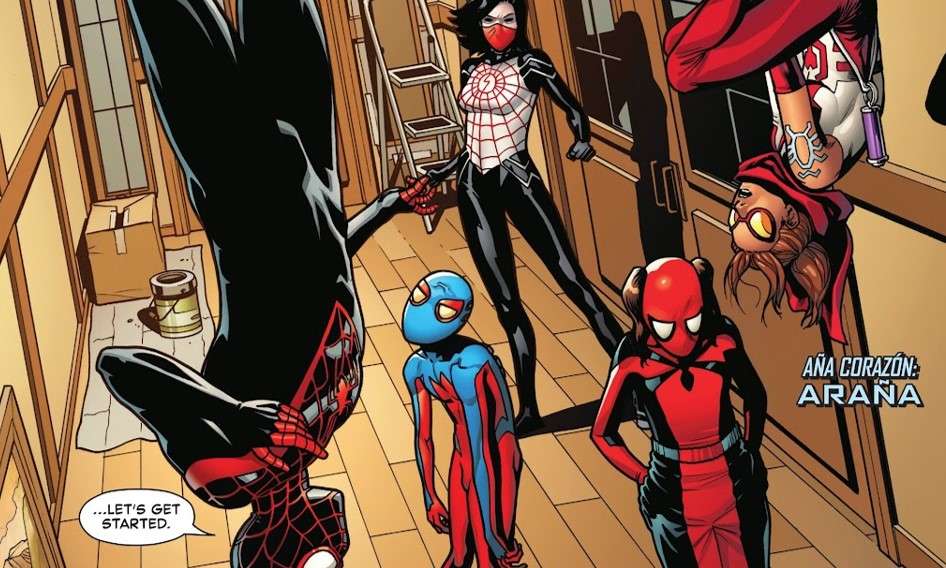
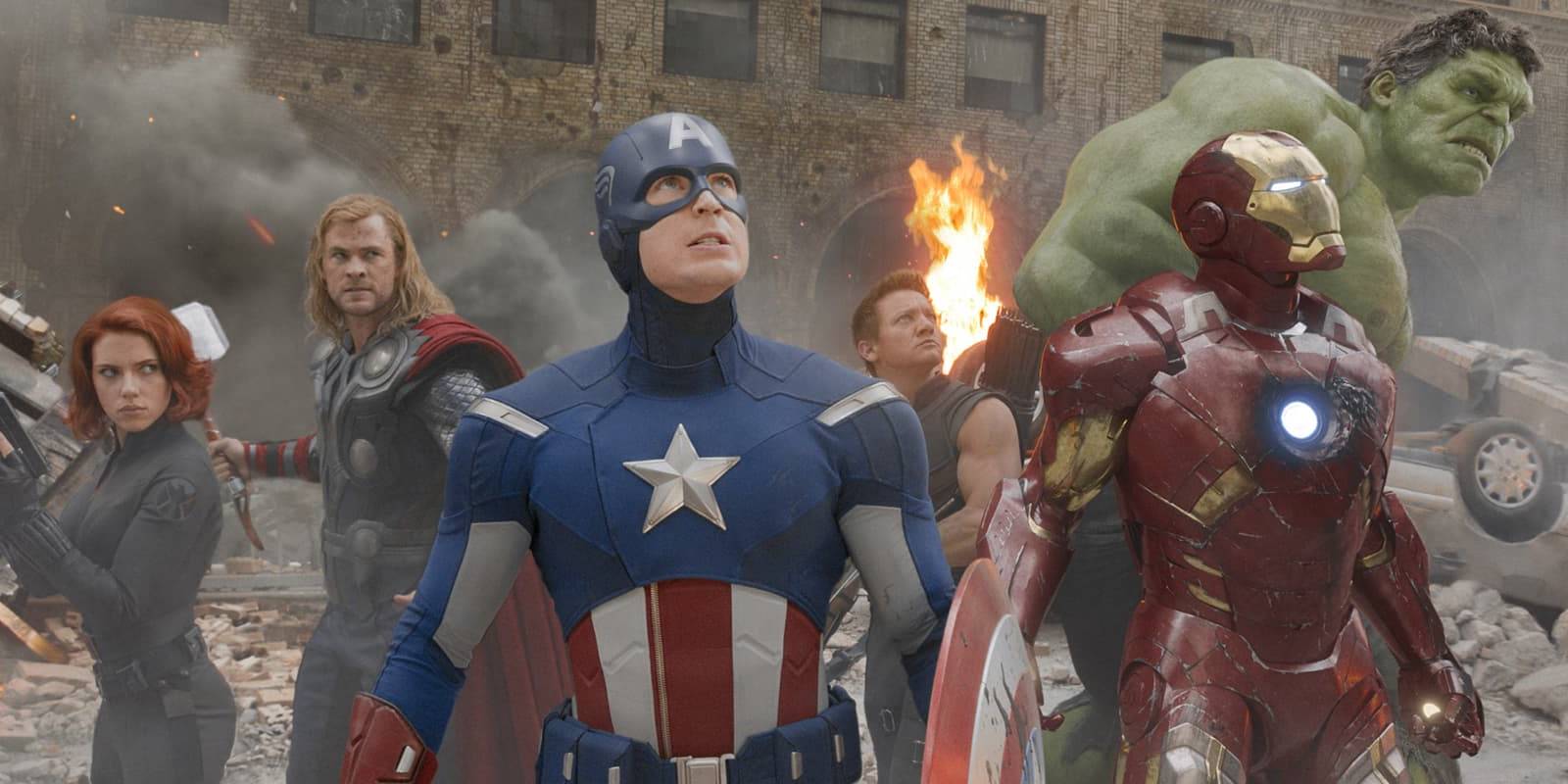
Amazing Spider-Man: Spider-Versity #1 feels like Marvel’s latest attempt to turn the Spider-family into something more structured, more coordinated, and more officially team-based. On paper, that sounds like a fairly simple setup: Miles Morales gathers several Spider-heroes at Empire State University, proposes a more formal training system, and pitches the idea that the Spider-people could operate with the same level of teamwork as the Avengers or the X-Men.
But the issue smartly complicates that idea by making its most interesting figure not Miles, Gwen, Silk, Araña, Bailey, Maka, or even Jessica Drew. It is Norman Osborn.
PROS:
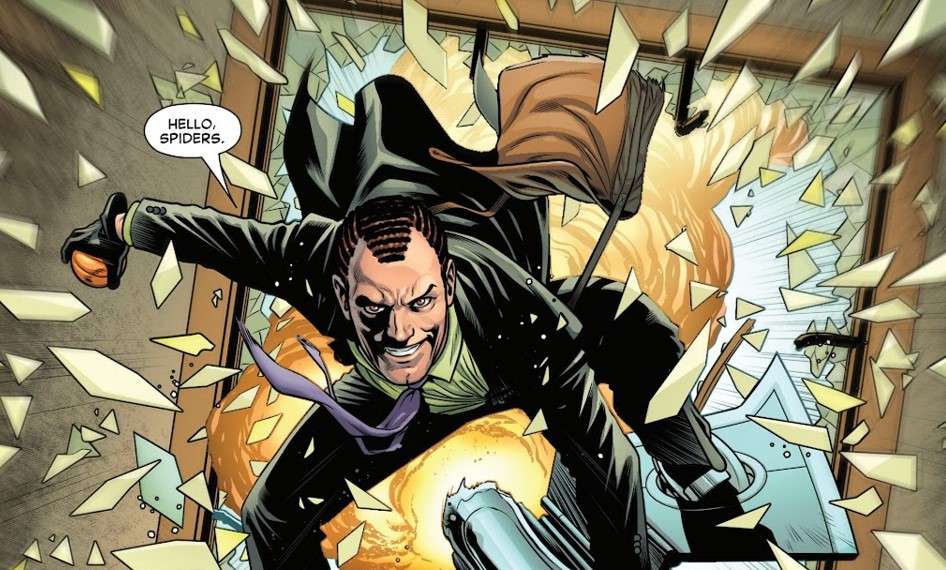
That choice gives the issue its strongest dramatic tension. Norman is not simply here as a former villain trying to do good. He is here as someone actively trying to build infrastructure around the Spider-heroes, complete with training resources, equipment, a secret operating space, and a name: Spider-Versity. It is a very Norman idea—controlled, strategic, calculated, and maybe even sincere. The question, of course, is whether sincerity is enough when the person offering help is still Norman Osborn.
The issue has a lot of fun with the team dynamic. Miles trying to deliver a serious speech while the rest of the Spider-heroes interrupt, joke, and undercut him gives the opening a light, chaotic energy that feels appropriate for a room full of Spider-people. There is a nice sense that these heroes like each other, but are also not naturally built for chain-of-command teamwork. That makes the “training” premise feel more believable. They are powerful, experienced, and capable, but as a group, they are still messy.
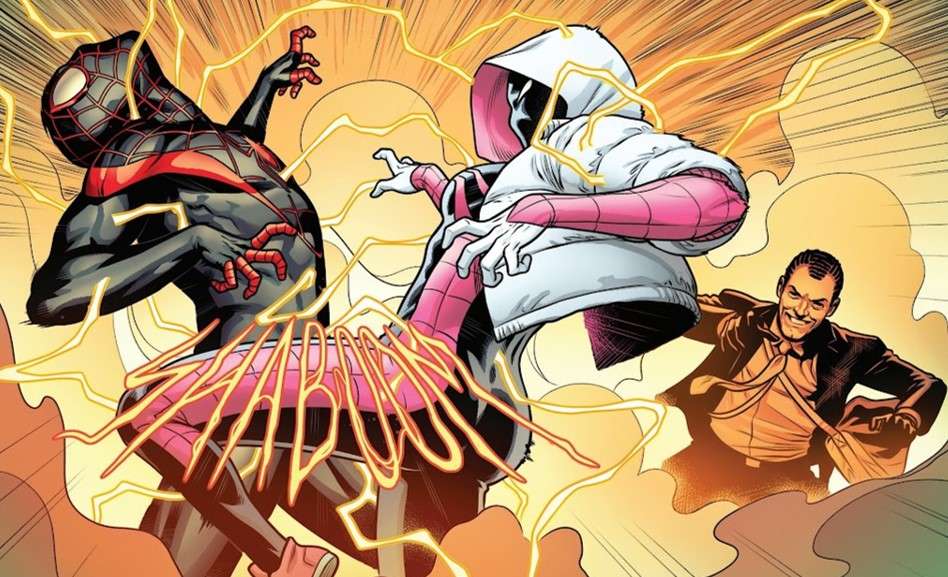
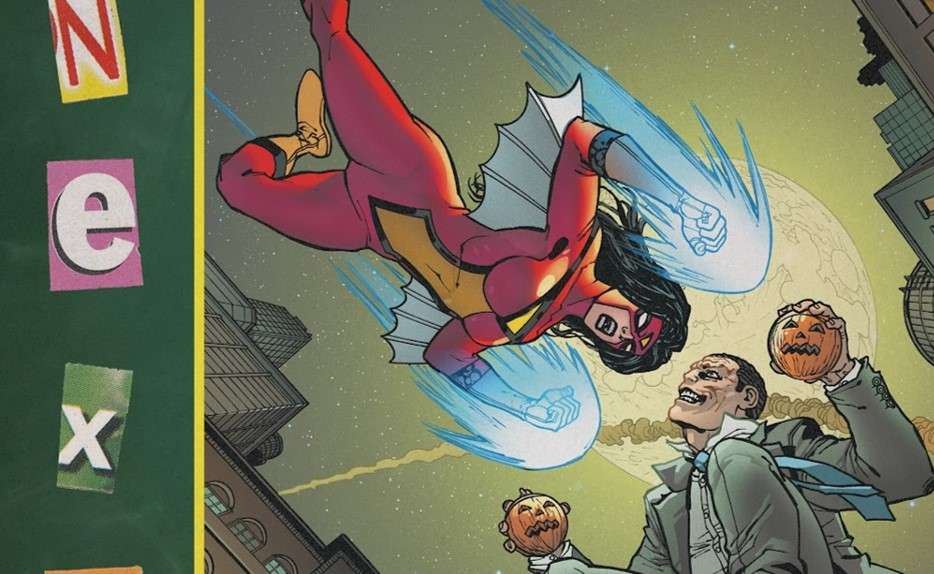
Norman’s staged attack works well as both an action sequence and a character test. The reveal that he planned the whole thing could have easily felt like a cheap twist, but the issue uses it to show why he thinks this kind of preparation matters. He knows threats escalate. He knows villains plan ahead. And more importantly, he knows the Spider-heroes are often forced to improvise when things go wrong. His argument is not completely unreasonable, which is what makes the situation more uncomfortable.
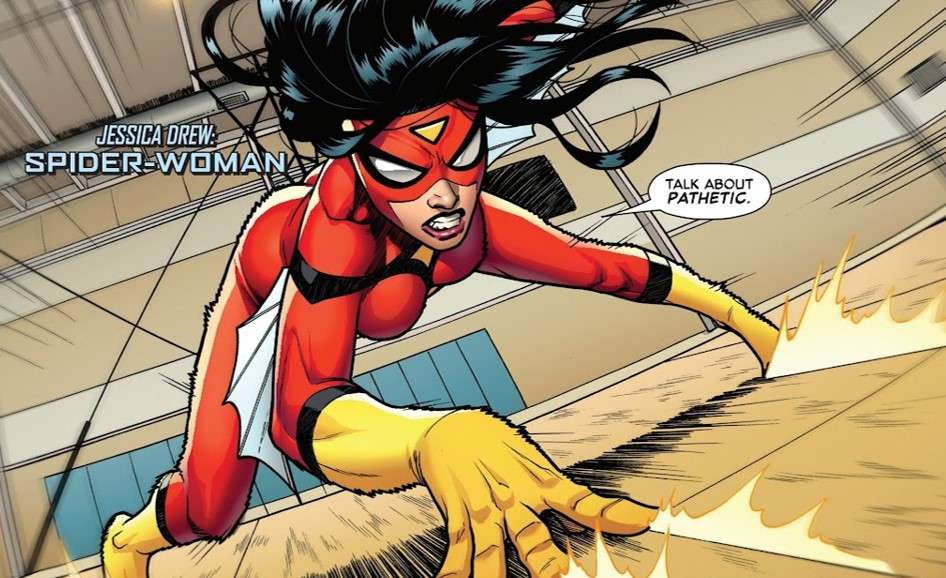
That discomfort is especially clear in the way Jessica Drew reacts to him. Her suspicion gives the issue a needed moral anchor. Miles may want to believe Norman has changed, and Norman may genuinely want to make amends, but Jessica’s point is hard to ignore: this is not just about forgiveness. It is about trust, safety, and whether someone with Norman’s history should be allowed anywhere near a new generation of young Spider-heroes. That tension gives the issue more weight than a straightforward team-launch story would have had.
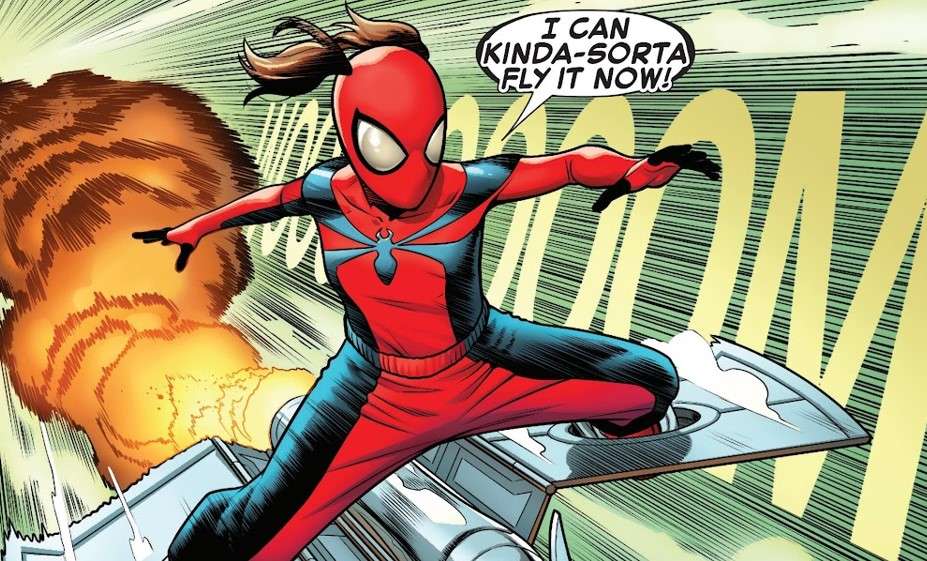
The cast is large, but the issue mostly uses them well. Miles functions as the hopeful organizer. Gwen brings skepticism and edge. Silk adds dry commentary. Bailey and Maka give the book a younger, funnier energy. Spider-Boy’s insecurity about not being an “A-lister” is a small but effective character beat, especially when the issue briefly lets him shine. Jessica Drew’s entrance also gives the back half a stronger emotional punch, shifting the book from playful training chaos into a more serious debate about Norman’s place in all of this.
Pere Pérez’s art keeps the issue clean and energetic. The action is easy to follow even when several Spider-heroes are moving across the same page, and the different body language of each character helps sell the variety within the team. Miles feels loose and confident, Gwen is compact and sharp, Silk is composed, Spider-Boy is visibly anxious, and Norman carries himself with a very deliberate kind of control. The issue also benefits from bright, polished colors that make the ESU setting and the action sequences feel lively without becoming too crowded.
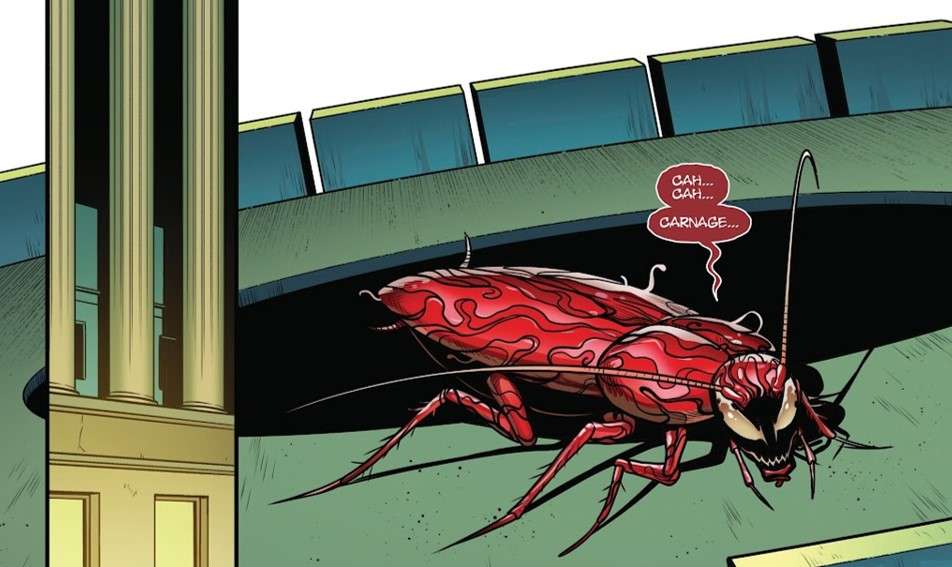
No negatives for now. As a first issue, Spider-Versity #1 does exactly what it needs to do. It establishes the team, explains the premise, gives everyone a reason to be in the same room, and ends with a strong hook. The final reveal that Carnage is lurking nearby immediately raises the stakes, especially after an issue built around the idea that Norman wants to prepare the Spider-heroes for the worst possible scenario.
What makes the issue work is that it does not treat Spider-Versity as a simple, feel-good school-for-Spiders concept. The fun is there, but so is the unease. Norman may be trying to build something good, but every page reminds us that good intentions do not erase history. That makes the book more compelling than expected, because the real question is not just whether the Spider-heroes can train together.
It is whether they can afford to trust the man offering to teach them.
FINAL GRADE: A+
Amazing Spider-Man: Spider-Versity #1 is a lively, accessible, and promising start. It has strong team energy, sharp character tension, and enough humor to keep the book light without losing sight of the danger underneath. As a launch issue, it sets up a Spider-team concept with real potential—and with Carnage waiting in the wings, that potential may be tested very quickly.






 English (US) ·