
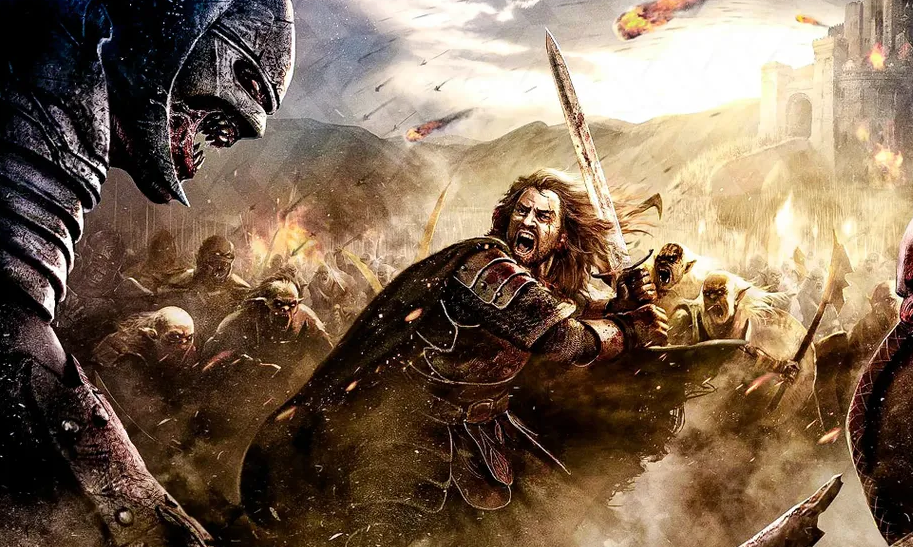
Two and a half decades after The Lord of the Rings: The Fellowship of the Ring first hit theaters, director Peter Jackson is reflecting on the journey that changed his life, and how he has no desire to relive it. The filmmaker who brought J. R. R. Tolkien’s epic world to life admits the process nearly consumed him. “What the hell were we thinking?” Jackson told Empire Magazine during a sit-down interview marking the 25th anniversary of the first film. “I mean, I would hesitate to even think that we could do anything like that now. It’s almost overwhelming to think back on. I was younger, we were all younger, and enthusiastic and naive.”
Jackson became synonymous with Middle-earth after the trilogy grossed nearly $3 billion globally and swept the Academy Awards. Yet the director doesn’t miss those days. “I don’t miss those days. Because there’s no point missing them; they came, and they went, and life goes on, and I’ve done quite a few things since. But I’m certainly proud of the films.”
Counter Point: Seriously, Peter Jackson’s Lord of the Rings is Utterly Awful
His longtime collaborator Philippa Boyens, who co-wrote all six of Jackson’s Middle-earth movies, remembered the same grueling process with equal awe. “I thought I’d be lucky if I got maybe three months’ work out of it,” she said. “There were moments that he absolutely saw because that’s how his brain works. You know, following Gandalf over the edge, fighting the Balrog.”

Jackson’s road to creating The Lord of the Rings was almost as epic as Tolkien’s story itself. Years of pitching, planning, and rejection went by before New Line Cinema executive Robert Shaye finally gave him the green light. From there, Jackson and his crew transformed New Zealand into Middle-earth, obsessing over every detail, the cinematography, the costumes, the special effects, to honor Tolkien’s towering mythology. What began as a risky fantasy project turned into one of Hollywood’s most successful and acclaimed trilogies.
Now, as the remastered extended editions return to theaters for the 25th anniversary celebration, the numbers prove that fans still care deeply about Middle-earth. Over the first reissue weekend, over January 16-18,, the re-release of the New Line trilogy through Fathom Entertainment made about $10.5 million globally, including $9 million at the domestic box office. Theater chains originally planned only two weekends of screenings, but demand has pushed them to add more dates and even marathon events, which will definitely result in more box office. Clearly, Tolkien’s world still has a heartbeat in the culture, but what does that say about the direction Hollywood is taking now?
Related: Is ‘The Hunt for Gollum’ Another Hollywood Cash-Grab?
As Jackson looks back, the franchise itself looks forward. After twenty years and one follow-up trilogy with The Hobbit, The Lord of the Rings will return again. Actor Andy Serkis, who famously played Gollum, will direct a new live-action movie titled The Lord of the Rings: The Hunt for Gollum, set for a December 2027 release. It’s the first major Middle-earth film in over a decade, produced with Jackson’s guidance. Plot details are secret for now, but early signs point to a story centered on the most tragic creature in Tolkien’s universe, none other than Gollum himself.

Even Elijah Wood, who played Frodo, is eager to see what happens. “There are some wonderful people involved,” Wood said. “It is really getting the creative band back together… It is going to be shot in New Zealand. So, it is going to carry with it such continuity with so many people who are a part of Lord of the Rings, and I am really excited about that.”
After all the awards, billions in ticket sales, and cultural impact, The Lord of the Rings remains a story about endurance, both on screen and behind the camera. Jackson may not miss the sleepless nights, but audiences aren’t letting go any time soon. Could this renewed passion be a sign that fans are tired of CGI-heavy blockbusters and crave something that feels real again? In a Hollywood searching for its next legend, Middle-earth might still be the gold standard.
***






 English (US) ·