

Netflix’s $82.7 billion plan to buy Warner Bros. Pictures has rattled Hollywood and left movie theater owners on edge. Will Netflix keep new Warner Bros. films in theaters or rush them to streaming? The company has a history of skipping theaters altogether. The Knives Out franchise shows the pattern. The first film, released in theaters before Netflix bought the rights, earned more than $300 million on a $40 million budget. But the streaming giant gave its sequels only a limited run in a small number of theaters before moving them online.
Until now, Warner Bros. had been one of the strongest defenders of the theatrical model. In 2025, the studio dominated the box office with hits like Sinners, Superman, and A Minecraft Movie. That success emphasized the value of keeping big productions in theaters for weeks, not days. But Netflix’s record has raised doubts about whether that tradition will survive the takeover.
Netflix CEO Ted Sarandos has spent the past two months trying to reassure skeptics. “When this deal happens, we’ll be in the theatrical business,” he said during an episode of The Town with Matthew Belloni. He offered a clear timeline, once again promising a 45-day theatrical run before moving new Warner Bros. films to premium video-on-demand and finally to HBO Max. “We’re buying a business model and not looking to kill it,” Sarandos said.
That model reflects the current Warner Bros. release plan. Films debut in theaters, then shift to paid streaming after roughly a month and a half, and later to subscription platforms about 90 days after initial release. So far, it’s a balanced system that benefits both theater owners and home viewers.
But Sarandos’s sudden support for theaters raises questions. In 2023, he called the theatrical experience “an outmoded idea.” As recently as January, there were reports that Netflix intended to limit Warner Bros. films to only 17 days in theaters before streaming. Analysts have wondered whether his new position is genuine or a strategic move to calm regulators reviewing the massive merger. “You can’t rule out self-interest,” one industry observer said. “Netflix needs government approval right now.”
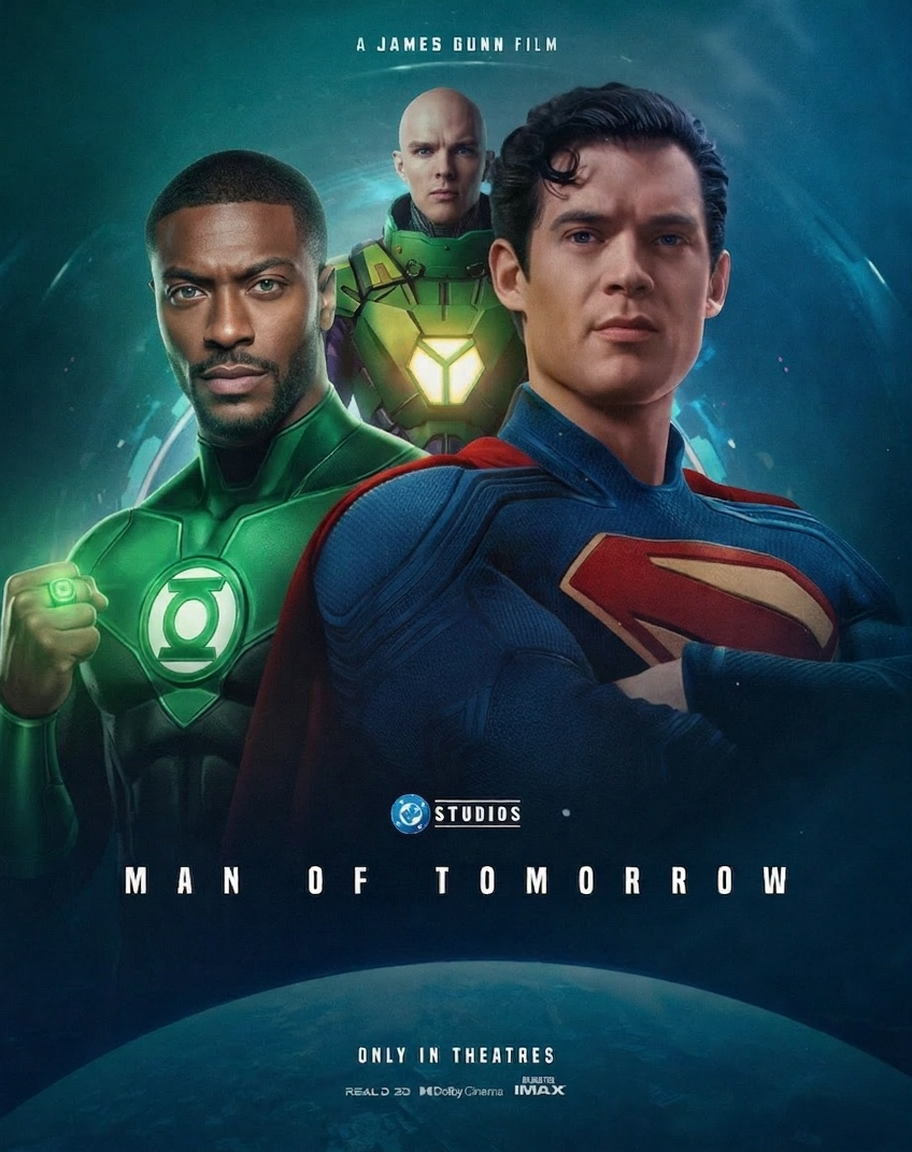
During a February hearing before the Senate Judiciary Committee’s Subcommittee on Antitrust, Competition Policy and Consumer Rights, Sarandos hinted at flexibility. “Forty-five days is the industry standard for self-enforcement. However, routinely, movies that underperform, the window moves a little bit,” he said. He cited Superman as an example. That film earned over $600 million worldwide on a $225 million budget but began streaming on HBO Max after just 70 days in theaters. Director James Gunn said that quick release was timed to fit with the Season 2 finale of Peacemaker.
The explanation made sense to fans, but critics heard a warning. If Netflix can claim a film “underperforms” based on its own expectations, the company could shorten the theater window at will. It could even release major titles in fewer theaters to drive early streaming numbers. That would change Hollywood’s economics overnight. Theater owners worry those decisions could become routine.
Sarandos insists Netflix will support movie theaters. For now, only time will tell if that promise holds. Analysts say the stakes are huge, not just for Netflix and Warner Bros., but for the entire movie industry that still depends on big screens and box office sales. All eyes are now on Paramount, which is lobbying to block the deal. The next few months will reveal whether Netflix’s streaming-first history gives way to a new era of compromise—or if the same old pattern returns under a different banner.
***









 English (US) ·