
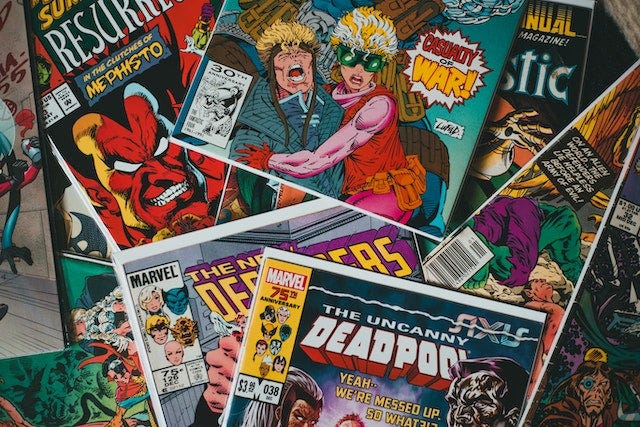
 Modern Comic Books: A Deep Dive into the Post-Crisis Era
Modern Comic Books are officially the longest-running epoch in the history of the medium, offering a sophisticated and high-stakes portal into a world where the line between hero and villain has become permanently blurred. While the exact starting point is a topic of intellectual debate, most historians point to the dawning of the mid-1980s as the definitive benchmark for this Modern Age. For fans who want to understand the roots of the modern “dark” aesthetic, this period represents a massive shift in how we perceive sequential art.
The creative powerhouse and authority behind this industry-shaking era includes:
- The Architects: Alan Moore, Frank Miller, and Dave Gibbons.
- The Disruptors: Todd McFarlane, Jim Lee, and the Image Comics crew.
- The Publishers: Marvel Comics and DC Comics.
- The Archives: Dave’s Comic Heroes and 50 Year Old Comics.
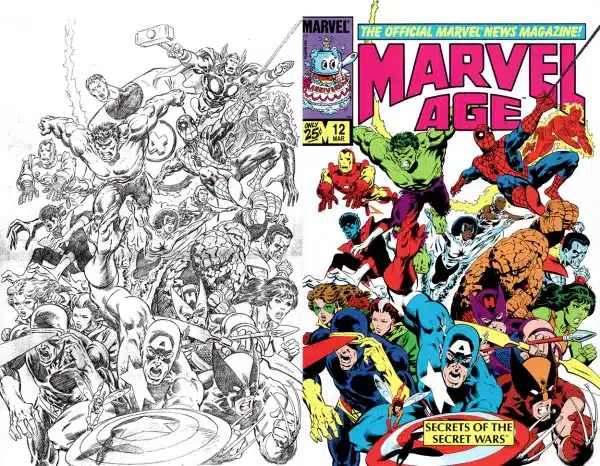
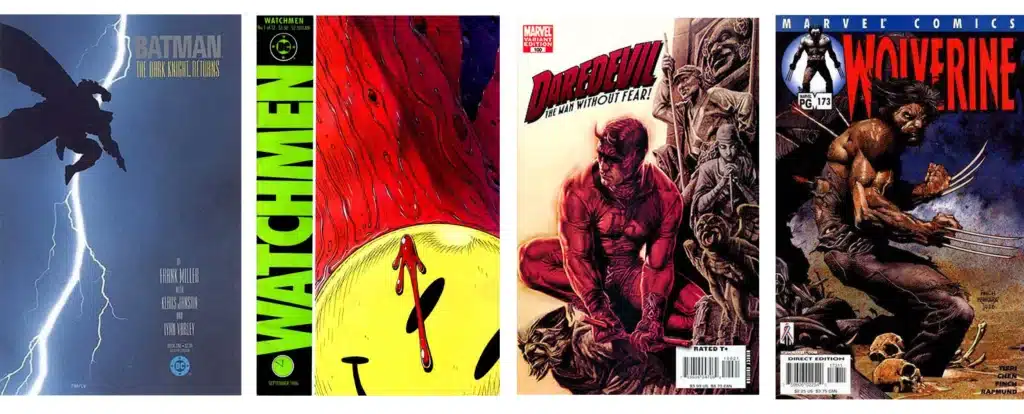
For anyone tracking new comics history, the 1980s transition was a shattering turning point. As titles like Watchmen and The Dark Knight Returns reached shelves, the underpinnings of the industry moved toward deconstruction and gritty realism. Consequently, the arrival of these landmark works ensured that the energy remains at a critical mass for anyone exploring the biography of the medium.
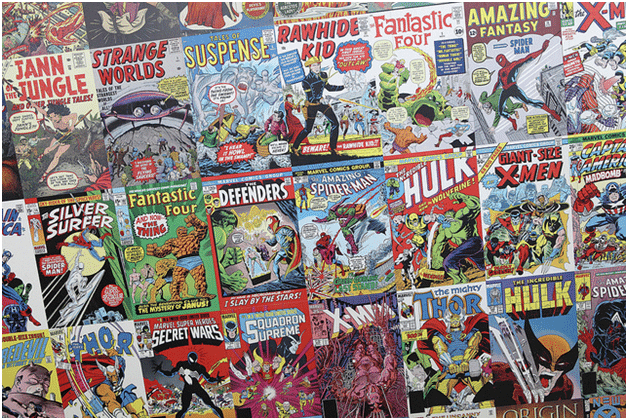
The Rise of the Dark Age in Modern Comic Books
What readers should understand about the Modern Age of Comic Books history is the pervasive influence of what critics often call the Dark Age. This sub-era favored complex narratives that proved modern life was far more complicated than the Silver Age could portray. Transitioning from the bright, relatively safe momentum of the past to a world of flawed icons, the industry established a level of intelligence that attracted a more mature audience.
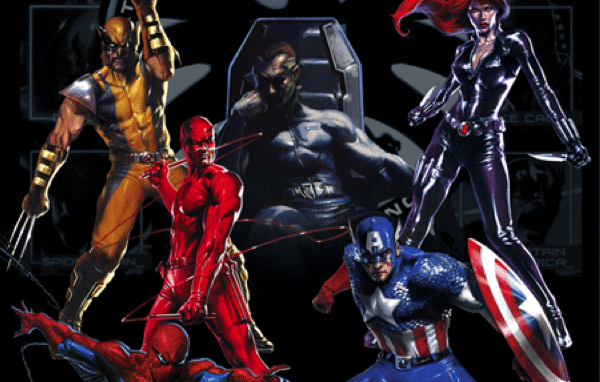
The pacing of the 1990s and early 2000s allowed for a deep dive into the “process” of a creator-owned revolution. We see the record-breaking success of Spawn and the vanguard status of the Ultimates line at Marvel. For fans who track comic book covers for their storytelling clues, the archives of the reading order for these eras reveal a world that was as beautiful as it was lethal.
The Image Revolution and the Speculator Shift
Visually, Modern Comic Books were redefined by the “Image Style” of the 1990s. This movement emphasized striking visuals over traditional script-heavy layouts, a trend that led to a phenomenon of gimmick covers and unwrapped marketing tactics. While the speculator bubble eventually burst, the momentum of the movement forced the Big Two to innovate. Rendering a “different kind of battle” in the form of creator rights required a level of artistic command that forever changed the industry’s hierarchy.
Furthermore, the collectibility of this era remains a highlight for high-end investors, though many are facing the harsh realities of a saturated market. As history later unwrapped, the most significant Modern Age keys—like Amazing Spider-Man #300 or New Mutants #98—have proven that modern comics are worth collecting. Transitioning from a state of mass production to one of curated scarcity, the market has matured, rewarding those who recognize the intelligence and grit of the creators involved.
The early buzz for the 2026 season suggests that we are entering a “Post-Modern” phase where the rules are being rewritten yet again. As the industry moves toward more ambitious and character-driven digital portals, the bedrock of the Modern Age stands as a testament to the brand’s enduring power. It is an “unwrapped” and raw look at the bravery required to remain an icon in a world that is fundamentally transformative.
In conclusion, Modern Comic Books are an essential piece of sequential art history. From their debut as a rebellion against the status quo to their status as the heart of global entertainment, they reflect the power of an original voice. Whether you are following the tactical movements of the New Avengers or simply soaking in the remarkable artwork of a variant cover, this era is a mandatory addition to your collection. Don’t miss this portal into the “Modern” archives when you revisit your collection this week!
📢 Join the Conversation
Do you think we are still in the Modern Age, or has a new era already begun? Which Modern Age key is the crown jewel of your portfolio—ASM #300 or Spawn #1? Join the conversation on X and tag us @comicbookaddt to share your thoughts on the greatest era of comics!
Follow our community for more updates:









 English (US) ·