
Some character types never really disappeared. They just change outfits and show up back again in front of a new audience. One of the oldest examples is the charming rogue: the good talker, the rule breaker, and act outside the societal norms.
Geek culture leaned on that type of figure for decades. Comics, sci-fi, fantasy, RPGs, and action games all return to him because he solves a basic storytelling problem. He adds life to a scene, creates conflict within a team, and gives writers a natural way to bring in humor without weakening the tension of the plot.
Part of the reason he works so well is that people recognize him fast. People get the rogue right away. The character is easy to recognize the moment he starts talking. And in a crowded entertainment world, that kind of instant appeal still matters.

The rogue is built for ensemble storytelling
The charming rogue works well when a story needs personalities to crash. Straight-arrow heroes often need someone at their side who cuts the long speeches, ignores strict rules, and says what others avoid to say. That contrast gives scenes shape and sharper tension.
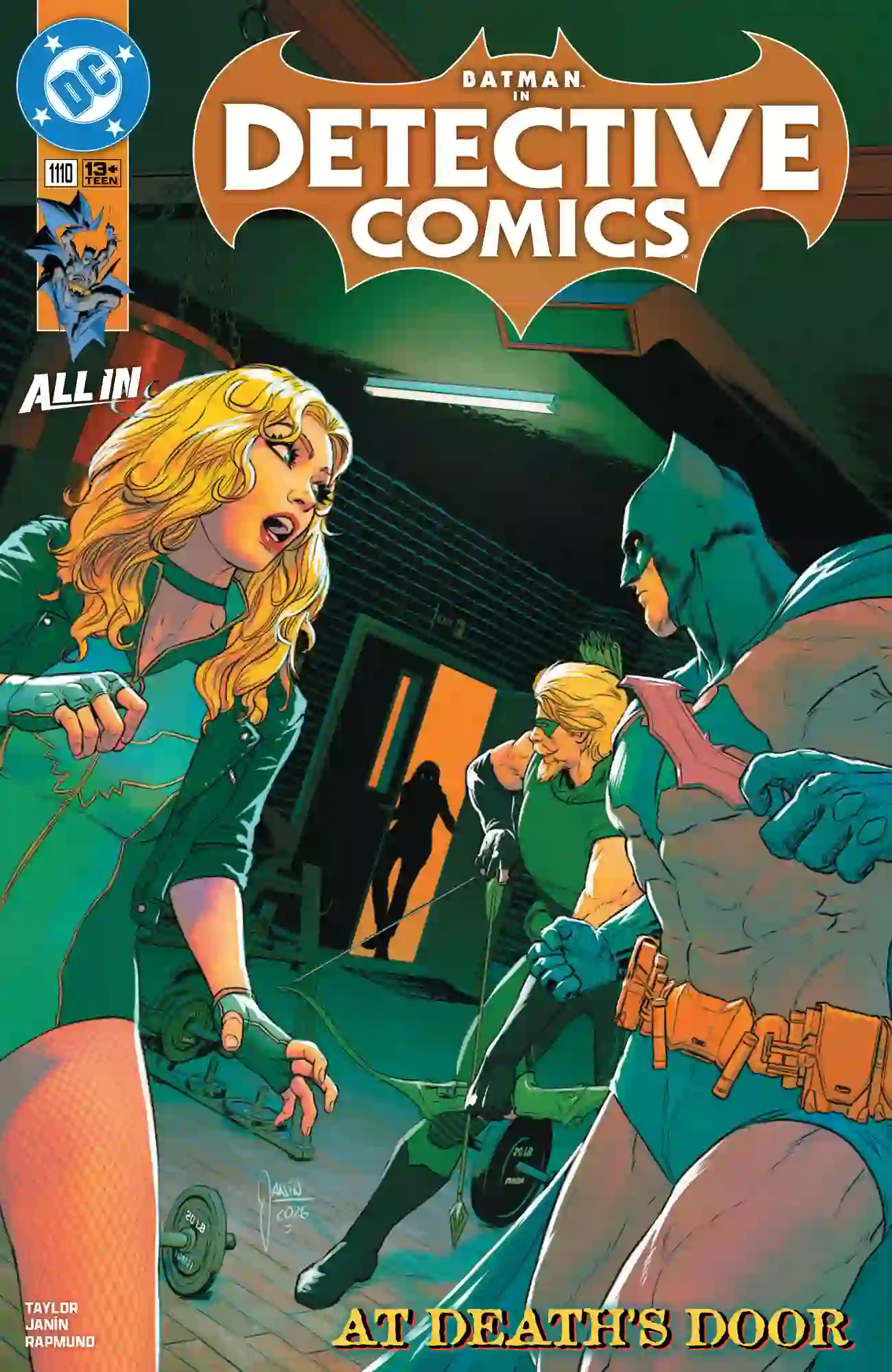
In comic books, the rogue changes the mood the moment he appears onto the page. He frustrates a leader, toys with danger, or pushes a plan in a reckless track, all without becoming a full villain. In film and television, he often becomes the release controller for worlds that might otherwise feel too self-serious.
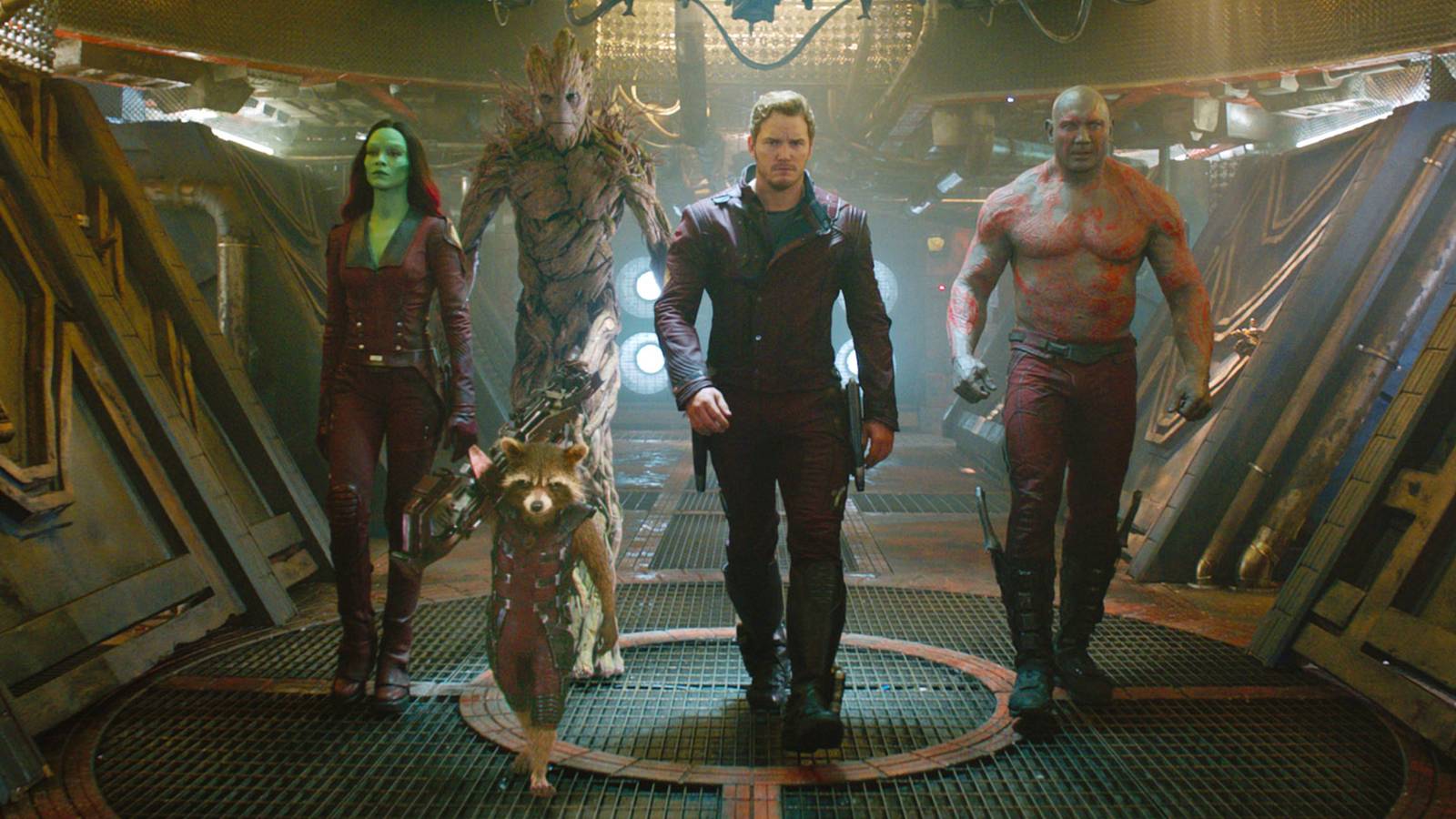
Han Solo is known as a popular blockbuster example, yet the setup works much wider than Star Wars. Gambit, Jack Sparrow, Spike Spiegel, Star-Lord, (Guardians of the Galaxy) and other anime side characters. None of them are the same in appearance, but they share a set of qualities audiences can spot right away: confidence, creativeness, bad timing, good characters, and a willingness to turn attitude into a survival skill.
This matters in modern franchise stories because much of genre entertainment now relies on teams instead of single heroes. A group made up only of noble leaders and careful planners can feel flat fast. The rogue adds contrast and gives the team more character.

Games need readable character shorthand
Games have an extra reason to keep using familiar character types. A movie can spend ten minutes teaching you who someone is. A game often has to do it in seconds.
Players read a character before they read dialogue. They look at posture, costume, voice, movement, and the first line of banter. From there they make fast assumptions about how that character will behave and what kind of role he plays in the world. That is one reason stock types have survived so well across game design.
You can see it in everything from RPG party members to hero shooters and fighting games. Designers need silhouettes and personalities that land quickly. The charming rogue works because he signals both style and risk. He is often quick, indirect, sarcastic, and a little unreliable. Even when the mechanics differ from game to game, the broad read stays useful.
That does not mean the type is lazy by default. Familiarity only becomes a problem when creators stop adding detail. A good rogue has limits, scars, and contradictions. He should feel like a person using charm as a tool, not a bundle of one-liners pasted into a leather jacket.
The type survives because it reaches further back than modern fandom
The rogue still works because he existed long before today’s fandom culture. Stories have always depended on social roles. Traditions such as commedia dell’arte used popular character types because audiences responded to them immediately, and that basic logic never went away. Viewers did not need long explanations. They understood the mask, the attitude, the setup. That logic never faded. Modern franchises follow the same path, even if the costumes look different.
History offers another clear case. Giacomo Casanova turned his own name into a symbol. Over time, Casanova stopped meaning only one man and started meaning a certain kind of charming risk-taker. The real person disappeared from the background and the image stayed sharp. Once a name becomes a symbol, creators can use it as a shortcut.
The geek culture is useful for that type of shortcut, because audiences are already trained to decode references. Noir, pulp adventure, swashbucklers, westerns, spy tales, old stage comedy, each comes with its own signals. The rogue fits right in because he can change between romance, betrayal, humor, or action and still feel like the same figure.
Why the archetype also shows up in casino game themes
The crossover becomes clear in casino game themes as well. Even on sites that are not built around gambling coverage, it is hard to ignore how often casino and social-casino games borrow from the same filmic language as comics, fantasy, and adventure media. Outlaws, treasure seekers, spies, legendary queens, and smooth risk-takers all help players understand the atmosphere right away.
That is why the classic lover-adventurer type still works so well. A title built around Casanova tells the player what mood the game is chasing before a single mechanic is explained. The name suggests romance, swagger, danger, and a hint of theatrical excess. Even without detailed backstory, the theme lands quickly. Players know what kind of energy to expect.
In that sense, theme works as a shortcut. Players do not only respond to reels or paylines at first glance; they respond to a popular idea shaped into a casino setup. That recognition helps set context quickly, especially in simpler, classic-style slots where the theme plays a major role in the overall experience.
There is a lesson there for geek media more broadly. Audience recognition is still one of the strongest tools in entertainment. If a creator can trigger the right expectation quickly, the audience is far more likely to settle into the world and accept the premise. The trick is giving them something more than the label once they get there.
The rogue only works when the story pushes back
A lot of weak modern writing misunderstands why people like this type. It is not enough to write a smirk, a vest, and a pile of sarcasm. The rogue matters when the world resists him.
He should get away with some things, but not everything. His charm should open doors and create problems. Other characters should have reasons to distrust him. If every line lands perfectly and every plan works, the edge disappears and the character turns into wish fulfillment.
Better games and stronger genre fiction stand apart from weaker copies by making the rogue face consequences for his shortcuts. He must choose between looking after himself and staying loyal to others. His charm can hide insecurity, fear, or simple immaturity. When that tension exists, the character feels more real again.
It is also why some fan-favorite rogues last for years while others burn out in one season or one sequel. Audiences do not just want an attitude. They want pressure.
Why Audiences Still Respond to Him
There is a simple emotional reason behind his appeal. The rogue does what other characters often cannot. He talks back. He bends the rules. He ignores etiquette. He looks at rigid systems and treats them as something that can be challenged.
That pull feels even stronger in a culture packed with dense lore, strict canon, and tightly managed franchises. The more controlled a fictional world becomes, the more value there is in one character who can still throw off the script. Even when viewers know the basic shape of the archetype, they enjoy watching him test the walls of the world.
The strongest versions never feel outdated. Each era finds a new angle for him. One decade casts him as a pirate. Another makes him a space smuggler. Another frames him as the morally flexible member of a party. Another turns him into a slick gaming persona who sells danger with a grin. The setting changes. The role does not.
Why he is not leaving anytime soon
As long as pop culture builds teams, franchises, and stylized game worlds, the charming rogue will keep showing up. He adds tension to scenes, gives clear emotional signals, and fits into many story setups without much effort.
That does not mean every version works. Audiences notice fast when writers rely on the surface idea but skip the real character depth. The result looks flat. But when the writing stays sharp and the world pushes back, the rogue still earns his place in the story.
That is why he still appears across comics, sci-fi, fantasy, and games. The rogue is not an old storytelling leftover. He is a simple, useful character type that still fits modern stories.
******

![Stargate Fans Bring #SaveStargate Campaign to San Diego Comic-Con 2026 [UPDATE]](https://sdccblog.com/wp-content/uploads/2026/07/Screenshot-2026-07-13-at-2.35.21-PM.png)




 English (US) ·