

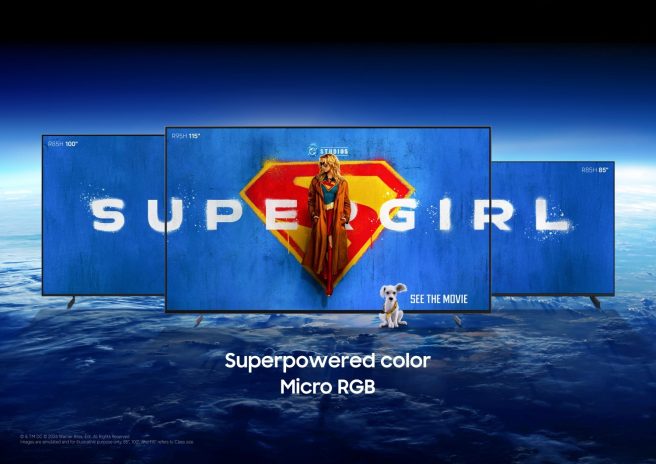
Milly Alcock is stepping into the role of Supergirl, but her early comments are already drawing attention for reasons beyond the film itself, and which may be negatively impacting the potential box office before it opens. Speaking at a press event in Rio de Janeiro, Alcock said she agrees with fans who view the character as a queer icon, a label that continues to reshape how major studios present legacy heroes.
“I’ve played a few characters that might have a potential queer through line. I have many queer friends. So honestly, I’m kind of honored,” Alcock said. She added that the character stands out because she does not fit “the binary of what we think a woman should be.”
How to kill Supergirl in one step pic.twitter.com/gViRMKKpgT
— Disparu (@disparutoo) June 19, 2026
Alcock’s remarks suggest a clear direction for the upcoming adaptation of Supergirl: Woman of Tomorrow, the comic by Tom King and Bilquis Evely that serves as the film’s source material. That version of Kara Zor-El leans into a more independent and less restrained personality, a shift some fans see as a departure from traditional portrayals tied closely to Superman.
Coverage from Cosmic Book News reports that the character has long held meaning for women and gender-diverse audiences. The outlet pointed to themes of identity and separation from Superman’s shadow as central to the story. That interpretation is now being pushed more directly into the mainstream as DC Studios prepares its next slate of films.

Still, not all reactions have been positive. Alcock faced backlash earlier this year after comments where she argued that public scrutiny comes from “simply existing as a woman.” She also claimed audiences have grown too comfortable expressing ownership over women’s bodies.
“It definitely made me aware that simply existing as a woman in that space is something that people comment on,” Alcock said at the time. “We have become very comfortable having this weird ownership of women’s bodies. I can’t really stop them. I can only be myself.”
The growing focus on identity-driven interpretations of established characters continues to divide audiences. While studios frame these shifts as “progress,” critics and many fans argue they risk sidelining storytelling in favor of messaging. With Supergirl: Woman of Tomorrow landing in cinemas later this week, the response from longtime fans may prove just as important as any box office result.
***














 English (US) ·