

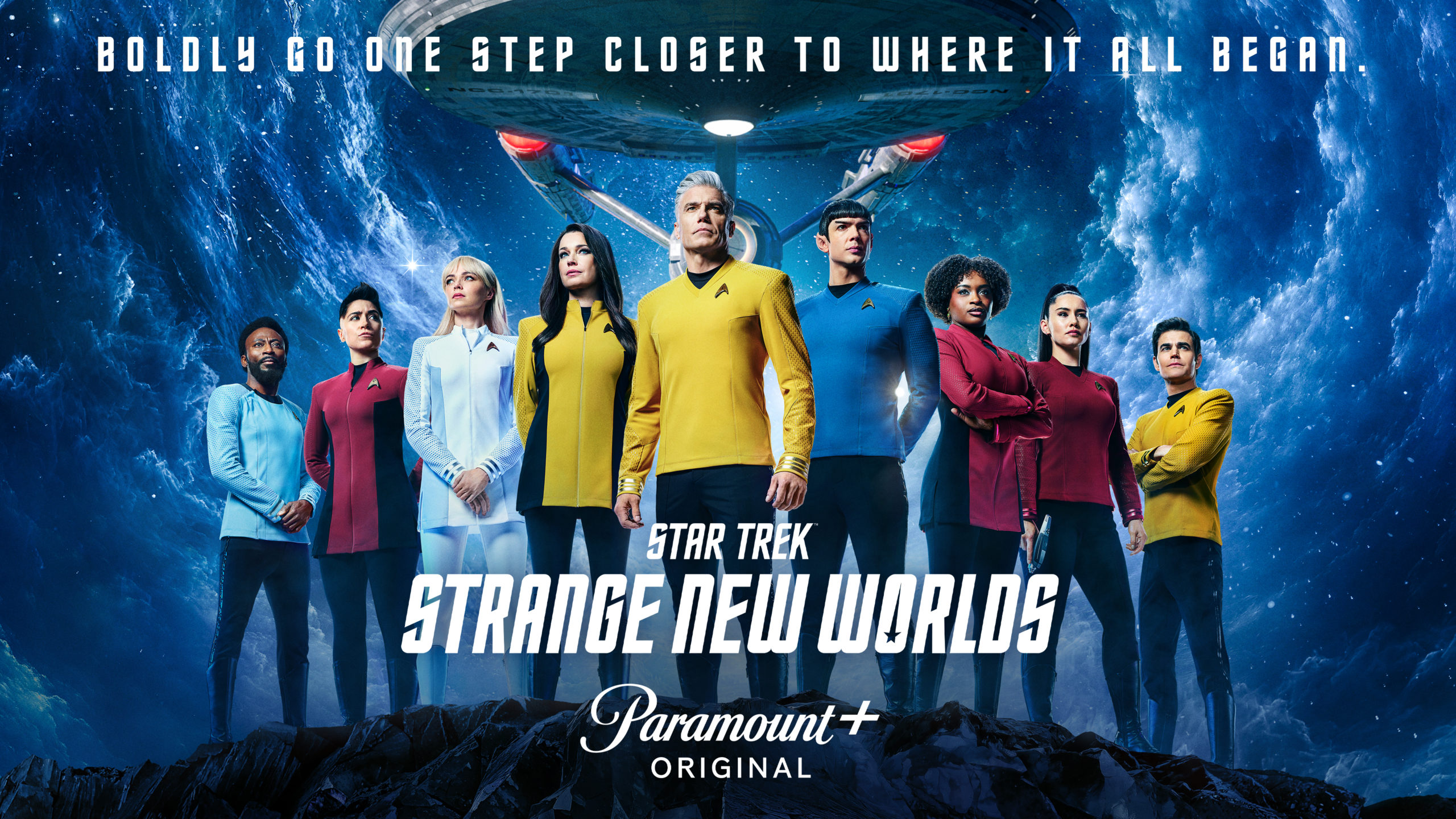
I felt like I was stuck inside Doctor Who. The BBC confirmed the show is canceled, and suddenly my feed snapped back to the same tired argument. People rushed in to say the show died because it was too woke. I’d seen this play out before. Just three months earlier, Paramount pulled the plug on Starfleet Academy, which effectively shut down active Star Trek TV production for now.
The reaction was almost identical. Critics said Starfleet Academy failed because it leaned too hard into identity politics. They pointed to a gay Klingon and nonstop emotional dialogue. Now those same voices are saying Doctor Who failed because of a queer Doctor and pronoun talk. That sounds clean, but it skips the real issue. These shows didn’t pull viewers. Weak writing pushed people away. As Tilly might say, “that’s the power of math, people!”
Both franchises are now stuck in limbo. Starfleet Academy was the only Trek show in production. Once it got canceled, Paramount pivoted to movies. Last time they made that move, TV Trek disappeared for over a decade. Doctor Who is in a similar spot. The BBC is looking for a new partner after Disney chose not to continue. The last time the Doctor went quiet, it lasted 16 years.

The content complaints were very easy to point out. The last iteration of Doctor Who featured a queer Black Doctor, a trans character, and incessent focus on identity themes. Starfleet Academy included multiple gay characters, poly relationships, and a male Klingon in a skirt. Repeating “go woke, go broke” certainly applies and it’s catchy. It’s also incomplete.
Star Trek has always carried social themes. The original pilot had a female commander. The 1960s series showed a multiracial crew and an interracial kiss. None of that hurt the brand. The difference now comes down to execution. Starfleet Academy felt like a blunt instrument. The showrunners told the audience what to think instead of telling a story. The plotting didn’t hold together. When writing slips, any message, especially a “woke” one starts to feel like a lecture.
Doctor Who followed the same path. Since 2005, the show has mixed sci fi with social commentary. It worked because the scripts were sharp. The Disney era got even more political, but it also got less engaging. Bigger budgets couldn’t fix thin plots. When the story falls apart, the message takes over and crowds everything else out.
Viewers responded by tuning out. Starfleet Academy never cracked the Nielsen Top 10. Reports put Season 1 at around 400,000 total viewers, about 40,000 per episode, against a $100 million season. That math doesn’t work. Doctor Who ran into the same wall. Disney helped fund episodes at up to $10.5 million each, yet the show still missed the Nielsen Top 10. UK ratings dropped to about 2.25 million for the Season 2 finale.

This isn’t complicated. Fans will accept themes if the story earns it. They won’t stick around for scripts that talk down to them. New viewers didn’t show up in big enough numbers to make up the difference. What you get is an expensive show with a shrinking audience.
Blaming “woke” alone is lazy, but ignoring it doesn’t help either. The real problem is how it’s used. When identity messaging replaces craft, people notice and they leave. Studios chased a broader audience, lost their core fans, and didn’t gain new ones. That’s how franchises stall out and budgets go to waste.
The lesson here is simple and hard to ignore. You can’t build a hit on weak writing and heavy messaging. If Hollywood keeps putting DEI checklists ahead of story and character, expect more cancellations, more pivots, and a slow slide toward industry decline.
***








 English (US) ·